By Riverwalk Dental Arts | September 14, 2026
If you are considering a full-mouth restoration, you probably have one big question. How long will your results actually last? Understanding why your full-mouth restoration results last 15+ years in Rock Hill starts with knowing what goes into the process. At Riverwalk Dental Arts, Dr. Nemish Shah builds every treatment plan around longevity. The materials, techniques, and aftercare all play a critical role in how long your smile stays healthy and beautiful.
What Full-Mouth Restoration Actually Involves
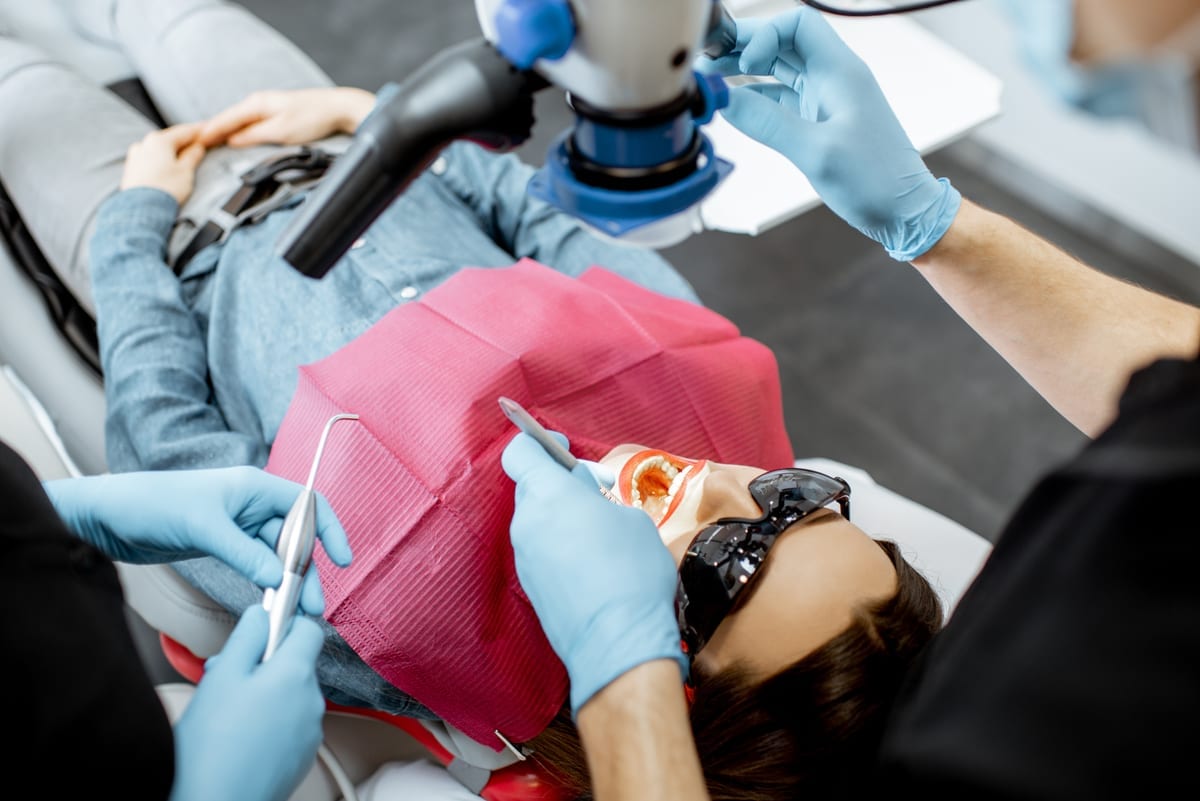
A full-mouth restoration is not a single procedure. It combines several treatments to rebuild the entire bite, function, and appearance of your smile. Dr. Shah may recommend a combination of dental crowns, dental bridges, dentures, or Implant Dentistry Rock Hill patients trust for lasting results. Each component is chosen based on your unique oral health needs.
The planning phase is especially important. A thorough exam, X-rays, and bite analysis help Dr. Shah understand your jawbone density, gum health, and tooth alignment. This detailed groundwork prevents future complications. A well-planned restoration lasts significantly longer than one that skips these diagnostic steps.
Patients in Rock Hill appreciate that this process is educational, not rushed. Dr. Shah walks you through every recommendation so you feel confident in your treatment. When patients understand what they are receiving and why, they tend to care for their results more consistently over time.
Why Your Full-Mouth Restoration Results Last 15+ Years in Rock Hill
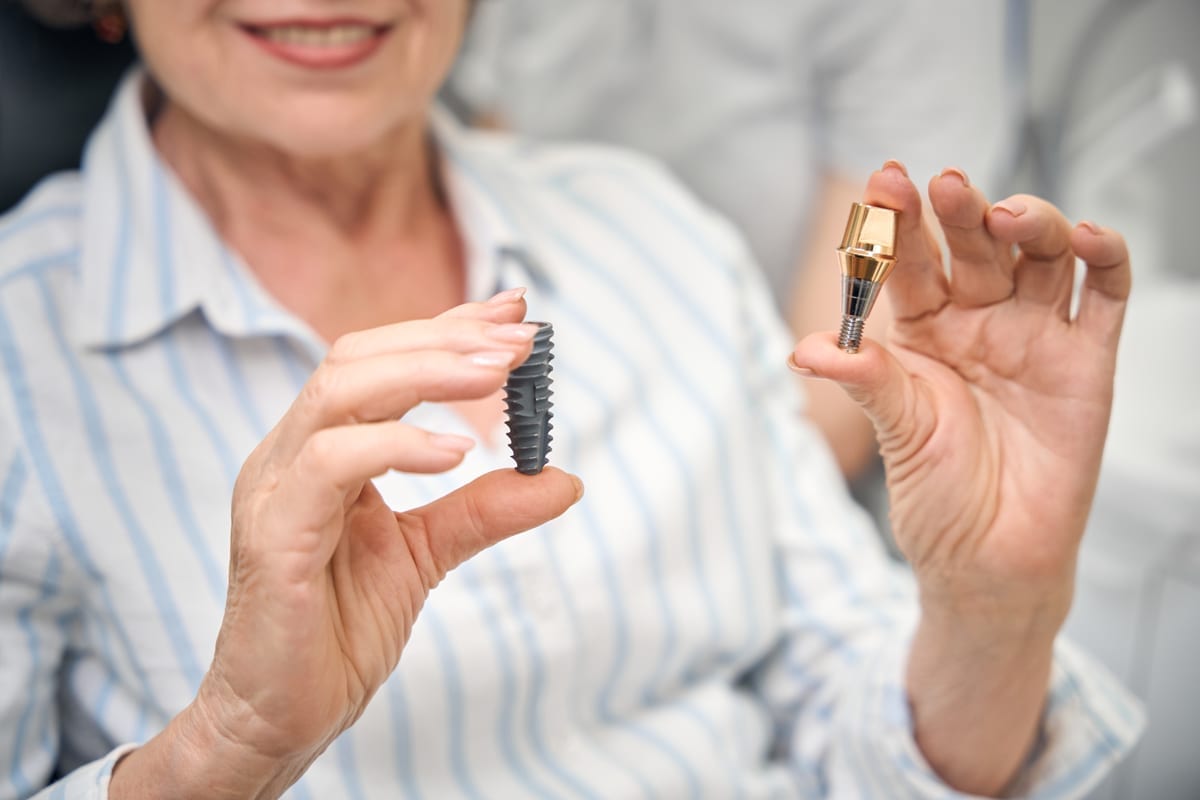
Several key factors determine how long your restored smile holds up. The quality of materials matters enormously. Modern dental crowns and implants are made from durable materials like zirconia and titanium. These are designed to withstand daily chewing forces for decades.
Precision placement is equally important. An implant that integrates fully with the jawbone creates a stable, permanent foundation. Crowns that fit perfectly protect the remaining tooth structure underneath. When each component fits and functions correctly, the entire restoration performs better over time.
Here are the primary reasons restorations last longer when done correctly:
- High-quality dental materials resist wear and fracture
- Proper bite alignment reduces stress on individual teeth
- Osseointegration of implants creates a bone-level anchor
- Precise crown margins prevent bacteria from entering beneath
- Early treatment of gum disease removes a leading cause of failure
Patients who address underlying issues like TMJ problems or gum disease before starting restoration also see better outcomes. Ignoring these conditions shortens the life of even the best dental work.
What Can Shorten the Life of Your Restoration
Even the best restorations can fail prematurely with the wrong habits. Grinding your teeth at night puts enormous pressure on crowns and implants. Many patients are unaware they grind until damage has already occurred. Dr. Shah often recommends a custom nightguard to protect your investment.
Poor oral hygiene is another common culprit. Bacteria that cause gum disease can loosen implants and erode the tissue supporting your restoration. Brushing twice daily and flossing consistently protects the gum line around every restored tooth. Neglecting this routine shortens the lifespan of your results dramatically.
Lifestyle habits also play a role. Consider these factors that can reduce restoration longevity:
- Chewing on ice or hard candy stresses crowns and bridges
- Smoking reduces blood flow and impairs healing around implants
- Skipping dental check-ups allows small problems to grow
- Untreated acid reflux erodes dental materials over time
- Using teeth as tools creates micro-fractures in restorations
Addressing these habits early protects your results. Dr. Shah discusses each of these risks during your consultation so you go in with realistic expectations and a clear prevention plan.
The Role of Ongoing Maintenance in Rock Hill
Maintenance is what transforms a good restoration into a lasting one. Dr. Shah recommends professional cleanings every six months for most patients. During these visits, the team at Riverwalk Dental Arts checks every component of your restoration. They look for early signs of wear, shifting, or gum recession.
Patients with more complex restorations may benefit from more frequent visits. This is especially true for those with dental implants or patients managing conditions like periodontal disease. Periodontal care is an ongoing commitment, not a one-time treatment. Healthy gums provide the foundation that keeps every part of your restoration secure.
Some patients also benefit from cosmetic maintenance over time. For example, those who have had Gummy Smile Treatment Rock Hill patients recommend often pair their results with whitening or gum contouring touch-ups. Keeping your gum tissue balanced and healthy preserves the overall aesthetic of your full restoration. At-home care paired with professional oversight creates a sustainable long-term routine.
Dr. Shah also monitors bite alignment at every visit. Bite changes can happen gradually due to aging, tooth movement, or wear. Catching these shifts early allows for simple adjustments before they cause significant damage to your restoration.
How to Set Yourself Up for Decades of Success
Starting your restoration journey with the right provider makes the biggest difference. Dr. Shah brings extensive experience in full-mouth cases to every patient in Rock Hill. He combines an eye for detail with a genuine focus on long-term outcomes. You are not just getting a beautiful smile today — you are investing in your oral health for the next 15 years and beyond.
Commit to your home care routine from day one. Use a soft-bristle toothbrush and non-abrasive toothpaste. Floss around implants and bridges using floss threaders or a water flosser. These small daily actions compound into significant protection over time. Think of your restoration the way you think of any long-term investment — consistent attention pays off.
Ask questions throughout the process. Understanding your specific restoration helps you care for it correctly. Dr. Shah and the Riverwalk Dental Arts team are always available to answer concerns between appointments. An informed patient is always a healthier patient.
Conclusion
Your restored smile is one of the most meaningful investments you can make in your overall health and confidence. With the right materials, expert placement, and consistent maintenance, your results can absolutely last 15 years or more. Patients across Rock Hill trust Dr. Nemish Shah to deliver care that stands the test of time. Book Now to schedule your appointment with our team.
Frequently Asked Questions
How long do dental implants typically last in a full-mouth restoration?
Dental implants are designed to last a lifetime with proper care. The titanium post that integrates with the jawbone is extremely durable. The crown placed on top may need replacement after 15 to 20 years due to normal wear. Consistent oral hygiene and regular dental visits significantly extend the life of both components.
Will I need to replace any part of my restoration eventually?
It depends on the specific components involved. Dental implant posts rarely need replacement, but crowns and bridges may show wear after many years. Dentures often require adjustments or relining as the jawbone changes over time. Dr. Shah monitors all components at every visit to catch early signs of wear before they become major issues.
Does gum disease affect how long my restoration lasts?
Yes, significantly. Periodontal disease weakens the bone and soft tissue that support implants, crowns, and bridges. Treating and managing gum disease before and during your restoration is essential for long-term success. Dr. Shah addresses gum health as a foundational step in every full-mouth restoration plan.
How often should I visit the dentist after completing my full-mouth restoration?
Most patients should schedule professional cleanings and exams every six months. Patients with periodontal concerns or more complex restorations may benefit from visits every three to four months. These appointments allow Dr. Shah to monitor the health of your gums, bite, and all restored surfaces. Early detection of any changes helps preserve your results far longer.
Can teeth grinding damage my full-mouth restoration?
Absolutely. Bruxism, or teeth grinding, places excessive force on crowns, bridges, and implant-supported teeth. Over time this can crack or loosen restored teeth. Dr. Shah often prescribes a custom nightguard to protect your restoration while you sleep. Wearing it consistently is one of the simplest ways to extend the life of your investment.