By Riverwalk Dental Arts | June 15, 2026
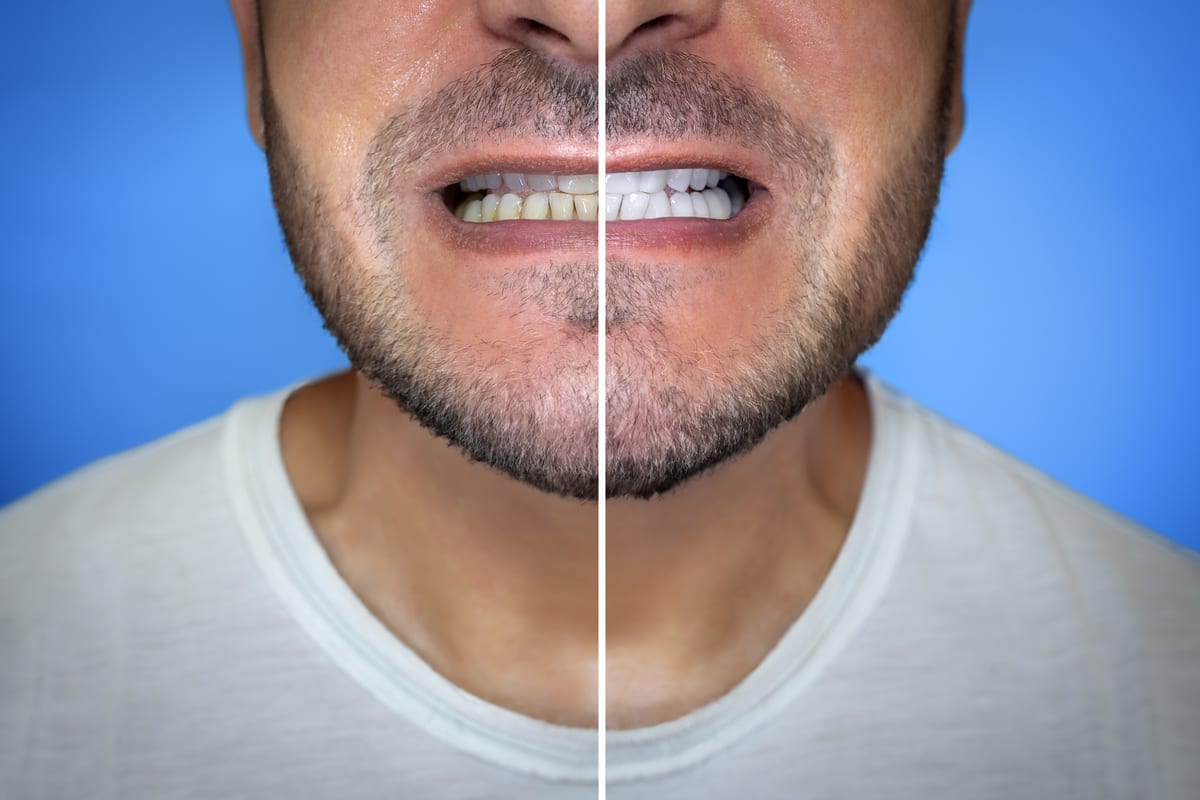
You invested in a brighter smile — and it looked amazing. But a few months later, that brilliance has dimmed. If you are searching for answers about why your whitening results fade and how to make them last near Fort Mill, you are not alone. Many patients feel frustrated when their results disappear faster than expected. The good news is that fading is preventable with the right habits and maintenance plan.
Understanding the science behind whitening helps you protect your investment. At Riverwalk Dental Arts, Dr. Nemish Shah works with patients across Rock Hill and Fort Mill to achieve lasting results. This guide explains exactly what causes fading and what you can do about it.
How Long Do Whitening Results Actually Last near Fort Mill?
The honest answer depends on your lifestyle. Professional teeth whitening results typically last between six months and two years. At-home kits from the store may last a shorter period — often just a few weeks. The biggest variable is how you treat your teeth after the whitening process.
Your enamel contains microscopic pores. Whitening gels open those pores to remove stains. After treatment, those pores remain slightly open for 24 to 48 hours. What touches your teeth during that window matters enormously. After that window closes, your daily habits determine how quickly new stains accumulate.
Patients who follow a consistent maintenance routine often see results lasting well beyond a year. Those who return to old habits may notice fading within just a few months. Knowing your timeline helps you plan smart touch-ups with your dental provider.
The Habits That Shorten Your Results — Coffee, Wine, and More
Certain foods and beverages are the primary reasons why your whitening results fade faster than expected. Dark-colored drinks are the biggest culprits. They contain chromogens — deeply pigmented molecules that latch onto enamel with ease.
The most common staining habits include:
- Coffee and tea: Tannins in both drinks bind to enamel and accelerate yellowing
- Red wine: High in tannins and chromogens — a double threat to white teeth
- Smoking or vaping: Nicotine and tar create stubborn yellow-brown stains quickly
- Dark sauces: Soy sauce, tomato sauce, and balsamic vinegar all stain over time
- Sports drinks and sodas: Acidic beverages erode enamel, making staining easier
- Berries and dark juices: Natural pigments in blueberries and pomegranate cling to teeth
Smoking is especially damaging. It not only stains enamel but also harms gum tissue and overall oral health. Patients who smoke often see whitening results fade within weeks rather than months. Quitting or reducing smoking dramatically improves how long your results last.
The frequency matters as much as the habit itself. One cup of coffee a day has less impact than four. Drinking through a straw reduces direct contact between staining beverages and your teeth. Small adjustments add up to significant protection over time.
Practical Tips to Make Your Whitening Results Last Longer
Making your results last does not require perfection. It requires consistency. A few smart daily habits can extend your brightness by months. Here is what Dr. Nemish Shah recommends near Fort Mill patients who want to protect their whitening investment:
- Brush twice daily with a whitening toothpaste to remove surface stains before they set
- Floss every evening to remove stain-causing debris between teeth
- Rinse with water immediately after consuming dark beverages or acidic foods
- Use a straw when drinking coffee, tea, or dark juices to minimize contact
- Avoid smoking or reduce it significantly to protect enamel color
- Schedule regular cleanings every six months to remove buildup professionally
- Ask about touch-up trays to use at home between professional appointments
Timing matters too. Avoid dark foods and drinks for at least 48 hours after any whitening treatment. This is the window when your enamel pores are most open and vulnerable to restaining. Stick to white or light-colored foods during this critical period.
Whitening toothpaste helps with surface stains. However, it does not replace professional whitening. Think of it as a maintenance tool rather than a treatment. Used consistently, it slows down the fading process between your professional visits.
When to Return for a Touch-Up Whitening Treatment
Even with perfect habits, whitening results will eventually fade. That is completely normal. The goal is to slow the process — not stop it entirely. Knowing when to return for a touch-up keeps your smile consistently bright without over-treating your enamel.
Most patients benefit from a professional touch-up every six to twelve months. Dr. Shah can evaluate your current shade and determine the right timing for your needs. Some patients use take-home whitening trays for minor maintenance between in-office visits. This flexible approach keeps results fresh without frequent full treatments.
If you have had significant staining from coffee, wine, or smoking, a touch-up may be needed sooner. Do not wait until your teeth look visibly dull. Catching early fading and treating it quickly makes each session shorter and more effective.
Whitening is one of the most popular services within Cosmetic Dentistry because results are so visible and immediate. Pairing it with a solid maintenance routine gives you the best possible return on your investment. Your dentist is your best partner in deciding the right schedule for your individual situation.
What Else Affects Whitening Results Over Time?
Lifestyle habits are the main driver of fading — but they are not the only factor. Your enamel thickness plays a role. Thinner enamel makes teeth more prone to staining and sensitivity. Age also matters. As enamel wears down over time, the yellowish dentin layer underneath becomes more visible.
Certain medications can cause tooth discoloration from within the tooth structure. This type of intrinsic staining does not respond to surface whitening alone. If medications are affecting your tooth color, Dr. Shah can discuss alternative cosmetic solutions that may help.
Dental restorations like crowns, veneers, and bonding do not whiten with bleaching agents. If you whiten your natural teeth, there may be a mismatch with existing restorations. Planning whitening treatment before new restorations helps ensure a consistent, even result across your smile.
Oral health also connects to whitening longevity. Conditions like gum disease or tooth decay can complicate whitening treatments. For example, if a tooth has internal damage requiring Root Canal Therapy, that tooth may discolor differently than healthy teeth. Addressing underlying dental health first always leads to better cosmetic outcomes.
Frequently Asked Questions
How long does professional teeth whitening last compared to store-bought kits?
Professional whitening by a dentist typically lasts six months to two years depending on your habits. Store-bought kits often fade within a few weeks because the bleaching concentration is lower. Professional treatments also use custom trays that apply the gel more evenly for better results.
What foods and drinks cause whitening results to fade the fastest?
Coffee, tea, red wine, dark sodas, and berries are the top offenders. Smoking and vaping also cause rapid staining. Acidic beverages like sports drinks and citrus juices weaken enamel, making it easier for stains to penetrate and reducing the longevity of your whitening results.
Can I whiten my teeth too often?
Yes. Over-whitening can damage enamel and cause lasting tooth sensitivity. Most dentists recommend professional touch-ups no more than once or twice per year. Using a whitening toothpaste between sessions is a gentler way to maintain brightness without over-exposing your enamel to bleaching agents.
Does teeth whitening work on crowns or veneers?
No. Whitening agents only work on natural tooth enamel. Dental restorations like crowns, veneers, and bonding will not change color with bleaching products. If you have restorations, talk to your dentist before whitening to ensure your results look balanced and consistent across your full smile.
How soon after whitening can I drink coffee or wine?
Wait at least 48 hours after any whitening treatment before consuming dark beverages. Your enamel pores stay open during this period, making your teeth especially vulnerable to restaining. Rinsing with water immediately after any staining food or drink is a smart habit to practice every day.
Understanding why your whitening results fade and how to make them last near Fort Mill puts you in control of your smile. Small daily choices add up to lasting brightness. Dr. Nemish Shah and the team at Riverwalk Dental Arts are here to guide you every step of the way. Book Now to schedule your appointment with our team.