By Riverwalk Dental Arts | July 13, 2026
If you’ve been thinking about brightening your smile, you’re not alone. Many Fort Mill residents ask the same question: will teeth whitening actually work for me? The honest answer is — it depends. This self-assessment guide is designed to help you understand exactly who benefits most from whitening and who may need a different approach. Knowing where you stand before your appointment saves time and sets realistic expectations.
How Teeth Whitening Works — And Why It Matters for Self-Screening
Teeth whitening uses peroxide-based agents to break down surface and near-surface stains. The bleaching process targets molecules inside your enamel. This is why it works beautifully on some stains and not at all on others. Understanding the science helps you self-screen before committing to treatment.
There are two main types of staining: extrinsic and intrinsic. Extrinsic stains sit on or just below the enamel surface. Intrinsic stains live deep within the tooth structure. Whitening gels are highly effective against extrinsic stains. Intrinsic stains are a different challenge entirely.
Common extrinsic stain sources include coffee, tea, red wine, and tobacco. These respond very well to professional whitening. If your discoloration comes from these sources, your odds of success are excellent.
Who Gets the Best Whitening Results near Fort Mill?
Ideal whitening candidates share a few key traits. First, their teeth are naturally yellow-toned rather than gray or brown. Yellow enamel responds faster and more dramatically to bleaching. Grayish or brownish hues are harder to lift.
Great candidates also have:
- Healthy enamel without significant erosion or decay
- No active gum disease or untreated cavities
- Staining from food, drinks, or tobacco — not medications
- Natural teeth in the areas being whitened
- Realistic expectations about the degree of whitening possible
If you check most of these boxes, professional whitening at Riverwalk Dental Arts-Rock Hill is likely a great fit. Dr. Nemish Shah evaluates each patient individually before recommending a whitening plan. A quick exam reveals whether your teeth and gums are ready for treatment.
Who May Not See Great Whitening Results
This section is where honest self-assessment really matters. Several factors limit how well whitening works — even professional-grade treatments.
Dental restorations: Whitening gels do not change the color of crowns, veneers, bridges, or bonding. These materials are engineered to resist bleaching agents. If you have visible restorations on your front teeth, whitening may create an uneven appearance. Your dentist can help you plan accordingly.
Intrinsic staining: Some stains originate inside the tooth itself. These do not respond to topical bleaching. Intrinsic discoloration often requires cosmetic options like veneers or bonding instead.
Medication-induced staining: Tetracycline antibiotics taken during childhood can cause deep gray or brown banding within the teeth. This type of staining is notoriously resistant to whitening. Results are usually minimal, even with extended treatment. Cosmetic restorations tend to deliver far better outcomes for these patients.
Fluorosis: Excessive fluoride exposure during tooth development can create white spots or brown streaks. Whitening may actually make white-spot fluorosis more visible at first. A thorough dental evaluation helps determine the right approach.
Other limiting factors include:
- Thin or heavily worn enamel
- Significant tooth sensitivity that makes whitening uncomfortable
- Gum recession exposing yellowish root surfaces
- Underlying decay that must be treated first
Alternatives for Fort Mill Patients Who Are Poor Whitening Candidates
Being a poor whitening candidate doesn’t mean you’re stuck with a dull smile. Several effective cosmetic options exist for patients whose staining runs deeper. Dr. Shah takes a comprehensive approach to smile enhancement at Riverwalk Dental Arts-Rock Hill.
Dental veneers are thin porcelain shells bonded to the front of teeth. They cover intrinsic stains, tetracycline discoloration, and surface imperfections completely. Veneers deliver dramatic, long-lasting results for patients who don’t respond to bleaching.
Dental bonding is another option for localized discoloration. It’s a faster, more affordable approach than full veneers. Bonding works well for individual discolored teeth rather than full-mouth treatment.
If missing teeth or broader smile concerns factor into your situation, our team also offers Implant Dentistry and Gummy Smile Treatment for comprehensive smile makeovers. Every smile is unique, and the right solution depends on your full dental picture.
What Happens During a Whitening Candidacy Evaluation?
Before whitening begins, Dr. Shah conducts a thorough examination. This step is critical for accurate candidacy screening. It’s not just a formality — it protects your dental health and your investment.
During your evaluation, expect the following:
- A visual exam of your teeth, gums, and existing restorations
- A discussion of your staining history and lifestyle habits
- An assessment of enamel thickness and gum health
- A review of your cosmetic goals and timeline
- A personalized recommendation — whitening, alternatives, or both
This evaluation ensures that every patient leaves with a plan that actually works for their specific situation. There’s no one-size-fits-all answer when it comes to whitening candidacy.
Take-Home vs. In-Office Whitening: Which Is Right for You?
If you are a good whitening candidate, you’ll still face one more choice: in-office or take-home treatment. Both options use professional-strength peroxide. The key differences are speed and convenience.
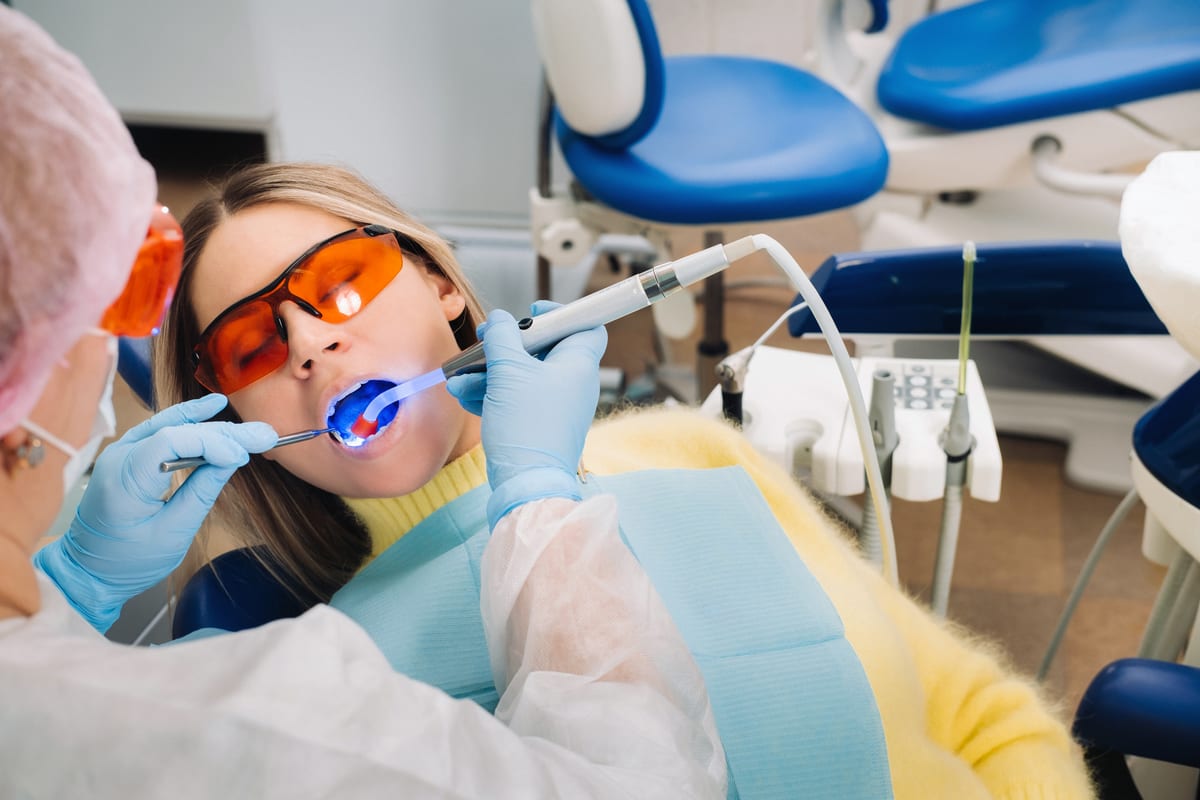
In-office whitening delivers faster results in a single appointment. It’s ideal for patients with upcoming events or those who want immediate change. Take-home trays allow you to whiten gradually on your own schedule. Many patients prefer the flexibility of whitening at home over several weeks.
Dr. Shah helps you choose the method that fits your lifestyle and goals. Either way, professional whitening far outperforms over-the-counter strips and trays.
Your Next Step Toward a Brighter Smile near Fort Mill
Self-assessment is a great starting point — but only a dental professional can give you a definitive answer. If this guide has helped you understand where you stand, the next step is a simple conversation with Dr. Shah. Riverwalk Dental Arts-Rock Hill welcomes patients from Fort Mill and the surrounding Rock Hill, SC area. Book Now to schedule your appointment with our team.
Frequently Asked Questions
Does teeth whitening work on crowns or veneers?
No, whitening gels do not change the color of dental crowns, veneers, or other restorations. These materials are stain-resistant by design and do not respond to bleaching agents. If you have visible restorations, your dentist may recommend alternative cosmetic options to achieve a uniform result.
How do I know if my stains are extrinsic or intrinsic?
Extrinsic stains from coffee, tea, wine, or tobacco typically appear on the outer surface of the tooth and respond well to whitening. Intrinsic stains, which come from medications, trauma, or developmental issues, exist inside the tooth structure and usually require cosmetic restorations rather than bleaching. A dental exam is the most reliable way to determine which type of staining you have.
Can I whiten my teeth if I have sensitive teeth?
Sensitivity does not automatically disqualify you from whitening, but it does require extra care. Dr. Shah can recommend lower-concentration gels, desensitizing treatments, or modified whitening schedules to keep you comfortable. Always disclose your sensitivity concerns during your initial evaluation.
How long do teeth whitening results last?
Professional whitening results typically last between one and three years depending on your diet and oral hygiene habits. Avoiding staining foods and drinks, maintaining consistent brushing and flossing, and scheduling regular cleanings all extend your results. Touch-up treatments can refresh your smile when needed.
Is professional whitening better than store-bought kits?
Professional whitening uses higher-concentration peroxide under dental supervision, delivering faster and more consistent results than over-the-counter products. Store-bought strips and trays have limited contact time and lower active ingredient levels. For predictable, meaningful whitening, professional treatment at a dental office is the superior choice.