
By Riverwalk Dental Arts | August 18, 2026
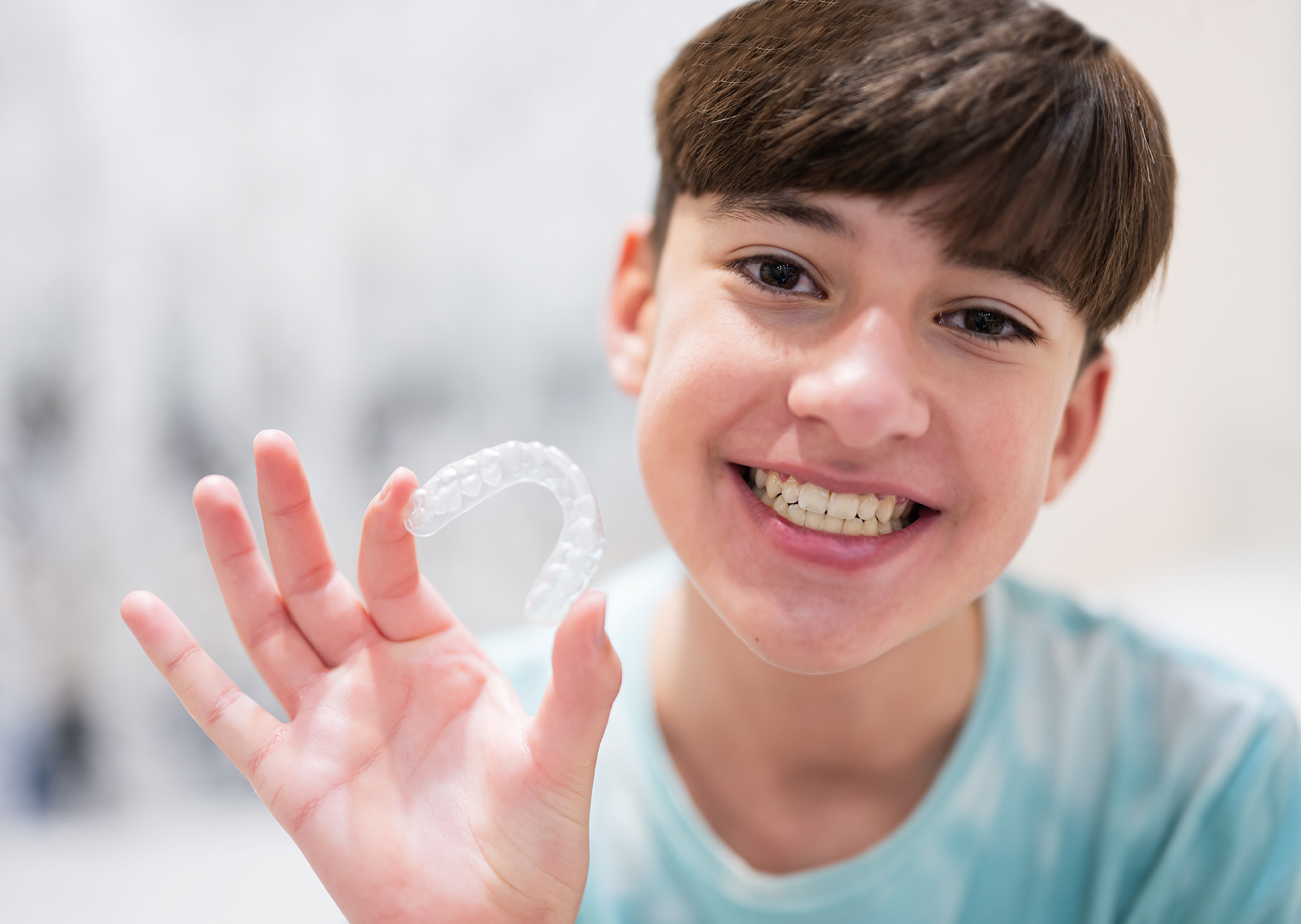
A sports injury can happen in seconds, but damage to a child’s teeth, lips, cheeks, or gums can have long-term consequences. Sports mouthguards for kids provide an important layer of protection during activities where falls, collisions, or impacts are possible. If you are a parent searching for a pediatric dentist in Rock Hill, knowing which mouthguard to choose and how it should fit can help you make a more informed decision for your child.
The American Dental Association recommends properly fitted mouthguards for sports and recreational activities with a significant risk of dental or orofacial injury.
Why Do Kids Need Sports Mouthguards?
Children participate in many activities where an accidental impact can affect the mouth. Football, soccer, basketball, hockey, lacrosse, wrestling, martial arts, gymnastics, skateboarding, and other recreational activities can involve falls, contact, or high-speed movement.
A properly fitted mouthguard helps create a protective barrier around the teeth and soft tissues. The ADA notes that mouthguards can reduce the incidence and severity of sports-related dental injuries and can help protect the lips and cheeks from injury.
The American Academy of Pediatric Dentistry also recommends mouthguard use for children participating in sports that may cause oral injuries.
What Can a Mouthguard Help Protect?
A mouthguard may help reduce the risk of injuries involving:
- Chipped or fractured teeth
- Dental trauma from an impact
- Cuts or bruising to the lips and cheeks
- Injury to the gums and supporting oral tissues
- Damage associated with falls or collisions
A mouthguard does not make a sport injury-proof, but wearing appropriate protective equipment can reduce preventable oral trauma.
Sports Mouthguards for Kids: Which Type Is Best?
Parents generally encounter three broad types of athletic mouthguards.
Stock Mouthguards
Stock guards are pre-formed and ready to wear. They are generally inexpensive, but they may not fit securely for every child. A loose or uncomfortable guard may be difficult for a child to keep in place during activity.
Boil-and-Bite Mouthguards
These guards are softened in hot water and shaped around the teeth. They can provide a more individualized fit than a stock guard when molded correctly, but the final fit depends on the product and how accurately it is molded.
Custom-Fitted Mouthguards
A custom mouthguard is designed from the child’s teeth and oral anatomy by a dental professional. The goal is a secure, comfortable fit that stays properly positioned during activity.
For children, fit is especially important because their mouths change as they grow. A dental professional can evaluate the child’s teeth and development and determine whether a particular mouthguard is appropriate.
How Should a Child’s Mouthguard Fit?
A good sports mouthguard should be comfortable enough that your child will actually wear it. It should remain securely positioned rather than constantly shifting or falling out.
Look for a mouthguard that:
- Fits securely over the appropriate dental arch
- Does not interfere unnecessarily with breathing or speaking
- Does not cause significant discomfort
- Remains in position during normal movement
- Does not create obvious pressure points
- Is appropriate for the child’s current dental development
The ADA emphasizes adequate retention as an important characteristic of an effective mouthguard.
If your child frequently removes the mouthguard, complains that it hurts, or has difficulty keeping it in place, the fit should be reassessed rather than simply ignored.
When Should a Child Get a New Mouthguard?
A child’s mouth changes continuously as teeth erupt, baby teeth are lost, permanent teeth come in, and the jaws develop. A mouthguard that fit well previously may eventually become uncomfortable or poorly retained.
Replace or have the mouthguard evaluated if it:
- No longer fits securely
- Becomes damaged, torn, or excessively worn
- Causes new discomfort
- Does not accommodate changes in the child’s teeth
- Has been lost or cannot be kept clean
For children receiving regular dental checkups, mouthguard fit can be discussed as part of ongoing preventive care. Riverwalk Dental Arts emphasizes monitoring children’s teeth and jaw development as they grow.
How to Clean and Store a Kids’ Mouthguard
Good hygiene is important because a mouthguard is repeatedly placed inside the mouth.
After use, your child should:
- Rinse the mouthguard with water.
- Clean it according to the manufacturer’s care instructions.
- Allow it to dry appropriately before storage.
- Keep it in a ventilated protective case.
- Bring it to dental appointments if you have concerns about fit or condition.
Avoid letting a child chew on the mouthguard. Excessive chewing can alter its shape and shorten its useful life.
What If a Child Has Braces?
Children with orthodontic appliances need particular attention to mouthguard selection and fit. Brackets and other appliances can change the available space and may require a mouthguard designed for orthodontic use.
Do not assume that a standard guard will provide the appropriate fit over braces. Ask the child’s dentist or orthodontic provider which type is suitable, particularly before a new sports season begins.
The AAPD specifically supports preventive practices involving mouthguards in youth sports and recognizes the importance of properly fitted protective equipment.
Should Kids Wear Mouthguards During Practice?
Yes, when the activity carries a meaningful risk of dental or orofacial injury, protection should not be limited to games. Injuries can occur during practice, recreational play, or informal activities as well.
The ADA supports mouthguard use during sports and recreational activities where there is significant risk of oral injury, including organized and recreational participation.
Parents should also check the specific rules of their child’s league, school, or athletic organization because some sports and organizations require mouthguards.
When Should You Ask a Pediatric Dentist About a Mouthguard?
Consider discussing a mouthguard with your child’s dental team if:
- Your child is starting a contact or collision sport.
- The mouthguard keeps slipping out.
- Your child complains that it is uncomfortable.
- Your child has braces or other dental appliances.
- Your child’s teeth have recently changed significantly.
- The mouthguard is damaged or worn.
- Your child has already experienced a sports-related dental injury.
At Riverwalk Dental Arts, pediatric dental care is designed around children’s changing oral and developmental needs. Consult with our practice to emphasize gentle, child-friendly care, preventive education, and monitoring of dental and jaw development through childhood and adolescence.
Protecting Your Child’s Smile Starts Before the Injury
Choosing sports mouthguards for kids should be about more than finding the cheapest option. A mouthguard needs to be appropriate for the activity, comfortable enough for consistent use, and properly fitted for the child’s current stage of dental development.
If you’re unsure what your child needs, a dental evaluation can help you make the decision based on their individual teeth, growth, and oral health. Families looking for a pediatric dentist can visit our clinic; you can turn to Riverwalk Dental Arts for child-focused preventive and dental care.
FAQs
Are sports mouthguards necessary for kids?
Sports mouthguards are recommended for children participating in activities with a meaningful risk of dental or orofacial injury. They can help reduce the incidence and severity of sports-related dental trauma.
What type of mouthguard is best for a child?
A properly fitted mouthguard is the priority. Stock, boil-and-bite, and custom-fitted options differ in retention, comfort, and customization. A dentist can help determine which option is appropriate for the child’s needs.
How often should a child’s sports mouthguard be replaced?
There is no single replacement schedule for every child. A mouthguard should be evaluated when it becomes damaged, uncomfortable, poorly retained, or no longer accommodates changes in the child’s teeth and development.
Can kids wear mouthguards with braces?
Yes, but children with braces may need a mouthguard specifically designed to accommodate orthodontic appliances. Parents should consult their dental or orthodontic provider before selecting one.
Should children wear mouthguards during sports practice?
Yes. Dental injuries can occur during practices as well as games. For activities with significant oral-injury risk, mouthguard use should generally extend to practices and recreational participation.