
Root Canal Rock Hill
in Rock Hill, SC
Root Canal Treatment in Rock Hill, SC
Dental pain has a way of stopping everything else in your life until it is addressed. Whether it is a sharp sting when you bite down or a dull ache that lingers through the night, these sensations are your body’s way of signaling that the inner tissues of a tooth need attention. Most people feel a sense of hesitation when they hear they might need a root canal, often due to outdated ideas about what the process involves. At Riverwalk Dental Arts, the priority is to provide a calm, straightforward experience that removes discomfort rather than causing it.
Modern dentistry has transformed this procedure into a routine way to preserve a tooth that would otherwise need to be pulled. By choosing gentle root canal therapy, you are opting for a path that maintains your natural bite and prevents the bone loss associated with missing teeth. It is a protective measure that keeps your smile intact and functioning exactly as it should. Choosing root canal treatment in Rock Hill, SC, at the right time can mean the difference between a simple restoration and a more complex dental journey later on.
The Reality of Root Canal Therapy
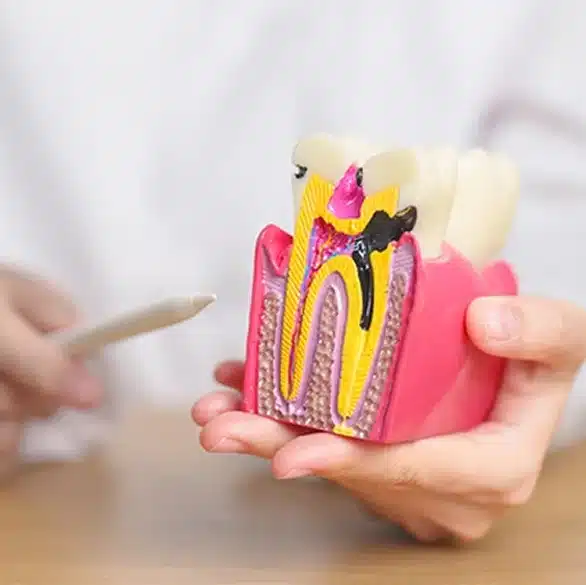
Most of the discomfort associated with this procedure actually comes from the infection itself, not the treatment. Inside every tooth is a soft area called the pulp, which contains nerves and blood vessels. When decay reaches this deep, or if a crack allows bacteria to enter, the pulp becomes inflamed. This pressure inside the tooth causes the throbbing sensation many patients describe. The goal of the procedure is to remove that damaged tissue, clean the internal canals, and seal the area to prevent future issues.
A tooth that has undergone treatment stays in your mouth just like any other, supported by the surrounding bone and gums. Because the nerves are removed, you will no longer feel temperature sensitivity or pain in that specific tooth. This transition from constant ache to a healthy, quiet tooth is often a massive relief for patients who have been struggling with chronic sensitivity. Understanding the process helps demystify the care you receive and highlights why saving the natural structure is the best choice for your long-term health.
Signs You Might Need Treatment
Waiting for a dental emergency is never ideal, so recognizing early warnings can save you a lot of stress. You might notice a small bump on the gums that looks like a pimple, or perhaps a tooth has started to darken in color compared to its neighbors. These are clear indicators that the tooth's internal health is compromised. Sometimes, the pain is spontaneous, occurring even when you aren't eating or drinking anything particularly hot or cold.
If you experience lingering sensitivity that lasts for minutes after you’ve finished a coffee or an ice-cold drink, the pulp may be struggling to recover. Ignoring these signs usually leads to a more significant infection or an abscess, which can affect your overall systemic health. Seeking root canal treatment in Rock Hill, SC, as soon as these symptoms appear allows for a much more predictable and comfortable outcome. Taking action early ensures that the infection does not spread to the jawbone or adjacent teeth.
The Step-by-Step Process at Riverwalk Dental Arts
The journey toward a healthy tooth begins with a detailed digital image to see the shape of the canals and the extent of the infection. Your comfort is the primary concern from the moment you sit in the chair. Local numbing agents are used to ensure the area is completely numb, making the sensation very similar to getting a standard filling. Once you are comfortable, a small opening is made in the crown of the tooth to reach the damaged pulp.
Using specialized, tiny instruments, the pulp is cleared out, and the canals are shaped and disinfected. This step is vital because it removes the bacteria causing your pain. After the canals are cleaned, they are filled with a biocompatible material to provide structural support. In most cases, a temporary filling is placed to protect the tooth while a custom crown is being crafted. This sequence of care is designed to be efficient and effective, returning you to your daily routine with minimal interruption.
Why Saving the Natural Tooth is Vital
Replacing a tooth is possible, but nothing performs quite as well as the one you were born with. Natural teeth are anchored by a complex system of ligaments that provide sensory feedback when you chew. When you keep your tooth through gentle root canal therapy, you maintain the natural spacing of your smile. This prevents the "shifting" that occurs when a gap is left empty, which can eventually lead to jaw joint issues and further decay in hard-to-reach areas.
Furthermore, keeping your original tooth helps maintain the volume of your jawbone. When a tooth is removed, the bone in that area often begins to shrink, which can change your facial profile over time. While bridges and implants are excellent tools, they are best used when a tooth cannot be saved. Prioritizing the preservation of your own dental anatomy is always the most conservative and biologically sound approach to dentistry.
Recovering Comfortably at Home
Once the numbing wears off, it is normal to feel a bit of tenderness in the jaw or around the treated tooth for a few days. This is usually due to the previous inflammation in the tissues rather than the procedure itself. Most people find that over-the-counter relief is more than enough to manage any minor soreness. You should avoid chewing on the treated tooth until your final crown is placed, as it may be slightly more brittle during the healing phase.
Maintaining a soft-food diet for the first 24 hours can help the area settle faster. Brushing and flossing should continue as usual, though being a bit more delicate around the temporary filling is a good idea. Most patients return to work or school the very next day, feeling significantly better than they did before the treatment began. The quick recovery time is one of the many reasons why this procedure is so highly recommended for resolving deep dental infections.
Long-Term Care for Your Restored Tooth
After your permanent crown is in place, the tooth is fully functional again. It looks like a natural tooth and is strong enough to handle all the foods you enjoy. However, it is important to remember that while the tooth no longer has a nerve, the surrounding gums and the tooth structure itself still require care. Cavities can still form at the base of the crown if oral hygiene is neglected.
Regular professional cleanings and checkups at Riverwalk Dental Arts will ensure the restoration remains in excellent condition. By treating the restored tooth with the same care as your other teeth—brushing twice a day and flossing daily—you can expect it to last for a lifetime. This long-term success is a testament to the effectiveness of modern endodontic care and its ability to turn a painful situation into a healthy outcome.
Dispelling Common Myths
There is a common misconception that root canals are a long, painful ordeal. In reality, modern tools and local anesthesia have made the process as comfortable as any other common dental work. Another myth is that it is better to just pull the tooth. Extraction actually leads to more appointments, higher replacement costs, and potential issues with your bite.
We also hear concerns that these procedures cause illness, a claim thoroughly debunked by decades of medical research. Root canal treatment in Rock Hill, SC, is a safe, standard, and highly successful way to eliminate infection from the body. Education is a powerful tool, and once patients see how straightforward the process is, the anxiety usually fades away.
Don’t Let Teeth Pain Hold You Back – Get Started Today
Choosing to address dental pain is a brave step toward better health. You don't have to live with the distraction of a toothache or the fear of a dental emergency. Our team is here to walk you through the process with transparency and care, ensuring you feel heard and relaxed throughout your visit.
If you are struggling with sensitivity or a persistent ache, let’s look at your options together. Restoring your health doesn't have to be a source of stress; it can be the start of feeling like yourself again.
Reach out to Riverwalk Dental Arts today to discuss your symptoms and discover how we can help you keep your natural smile healthy and strong.