
By Riverwalk Dental Arts | August 24, 2026
If you’ve lost one or more teeth, you’re facing an important decision. The question of Dentures vs. Implants: Which Preserves Your Jaw Long-Term in Rock Hill is one Dr. Nemish Shah hears often at Riverwalk Dental Arts. Both options restore your smile. But they affect your jawbone, your daily comfort, and your long-term health in very different ways.
This guide breaks down the honest differences. We’ll cover cost, function, bone preservation, and quality of life — so you can make a confident, informed choice.
How Tooth Loss Affects Your Jaw in Rock Hill
Most people focus on the gap left by a missing tooth. What they don’t see is what’s happening beneath the gumline. Your jawbone depends on tooth roots to stay stimulated. Without that stimulation, the bone begins to shrink — a process called resorption.
Bone loss can start within the first year of tooth loss. Over time, it changes your facial shape and makes future dental treatment harder. This is why the replacement option you choose matters so much. Not all solutions address bone loss equally.
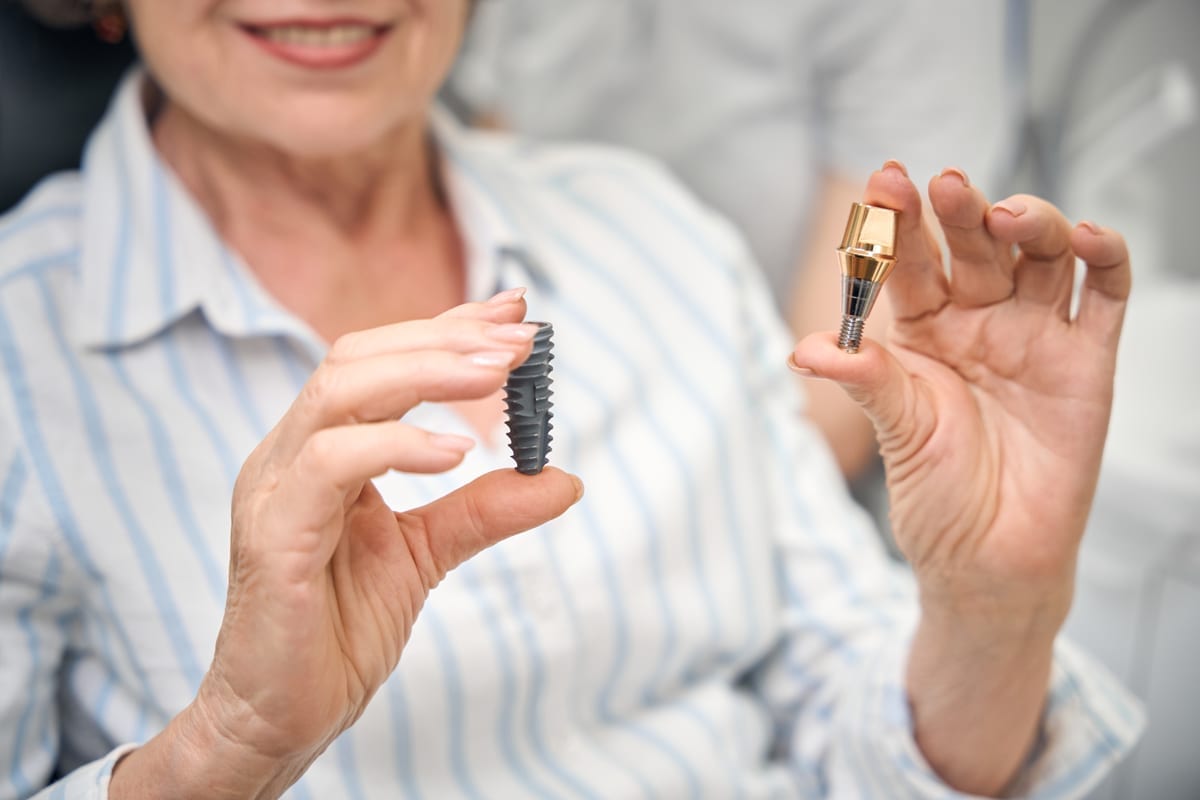
Dentures sit on top of the gums. They restore your smile visually, but they don’t replace the missing root. Dental implants, on the other hand, are surgically placed into the jawbone. They mimic a natural tooth root and actively stimulate the bone to prevent resorption.
Dentures vs. Implants: Cost and Long-Term Value in Rock Hill
Upfront cost is often the first thing patients mention. Dentures typically cost less at the start. Implants require a larger initial investment due to the surgical process and materials involved.
However, cost should be measured over time — not just at the appointment. Dentures need regular adjustments, relining, and replacement every five to ten years. Those recurring costs add up significantly over a lifetime.
Dental implants are designed to last decades with proper care. Many patients keep their implants for life. When you factor in the long-term cost difference, implants often become the more economical choice over a 20-year horizon.
- Dentures: Lower upfront cost, but ongoing adjustments and replacements needed
- Implants: Higher initial cost, but built to last a lifetime with proper maintenance
- Bone loss from dentures: Can require expensive bone grafting if implants are chosen later
- No bone loss with implants: Eliminates the need for future corrective procedures
Waiting to choose implants can also increase your overall cost. Bone loss from denture use may require bone grafting before implant placement is even possible. Acting sooner preserves more of your natural bone — and your options.
Function and Daily Quality of Life: What Patients Actually Experience
Dentures have come a long way in comfort and fit. Modern options look natural and restore basic chewing ability. But they do have real functional limitations that patients often discover after the fact.
Dentures can slip during eating or speaking. Many patients avoid certain foods — like apples, corn on the cob, or hard vegetables — because of stability concerns. Adhesives help, but they’re a daily hassle. Some patients also experience sore spots where the denture presses on the gums.
Dental implants function like natural teeth. You brush them, floss them, and eat with them confidently. There’s no slipping, no adhesive, and no food restrictions. Patients consistently report that implants restore a level of confidence and normalcy that dentures simply can’t match.
- Implants allow you to eat any food without restriction
- No adhesives or nightly removal required with implants
- Dentures may cause gum soreness over time as the jawbone changes shape
- Implant-supported teeth feel and function like your natural teeth
- Speech is clearer and more consistent with implants
For patients in Rock Hill who want to eat, speak, and live without thinking about their teeth — implants deliver a superior daily experience. That quality-of-life difference is often the deciding factor for those who can move forward with treatment.
Bone Preservation: The Most Important Long-Term Difference
This is where the comparison becomes especially clear. Bone preservation is the single most important long-term factor when choosing between dentures and implants. And implants win this category definitively.
Traditional dentures do not prevent bone resorption. In fact, the pressure of a denture against the gum can accelerate bone loss in some cases. As the bone shrinks, dentures become loose and require more frequent refitting. The changing bone structure also alters the shape of your face over time.
Dental implants integrate directly with your jawbone through a process called osseointegration. The titanium post fuses with the surrounding bone. This fusion provides the stimulation your bone needs to stay strong and dense. For patients exploring Implant Dentistry Rock Hill, this bone-preserving benefit is often the most compelling reason to choose implants.
Preserving your jawbone also protects your facial structure. Patients with long-term bone loss from denture use often experience a sunken, aged appearance around the mouth and jaw. Implants help maintain the natural contours of your face for decades.
Who Is a Good Candidate for Each Option?
Not every patient is an immediate candidate for dental implants. Certain health factors and bone density levels play a role in determining eligibility. Dr. Nemish Shah evaluates each patient individually at Riverwalk Dental Arts before making any recommendation.
Dental implants require sufficient jawbone to anchor the titanium post securely. Patients who have experienced significant bone loss may need a bone graft first. Good overall health is also important for successful healing after surgery. Conditions like uncontrolled diabetes or certain medications may affect candidacy.
Dentures may be the right starting point for some patients. They’re a reliable option when implants aren’t immediately feasible. Implant-supported dentures also offer a middle ground — combining the stability of implants with the coverage of a full denture. This hybrid approach is worth discussing during your consultation.
Patients who have concerns about their gum tissue or smile appearance alongside tooth loss may also benefit from a broader evaluation. For example, conditions addressed through Gummy Smile Treatment Rock Hill can sometimes be part of a comprehensive smile restoration plan. Dr. Shah can help coordinate the full picture.
Making Your Decision in Rock Hill: What to Ask Your Dentist
The right choice depends on your specific anatomy, health history, and goals. There’s no single universal answer. What matters is that you get an honest, personalized assessment from a dentist who explains your options clearly.
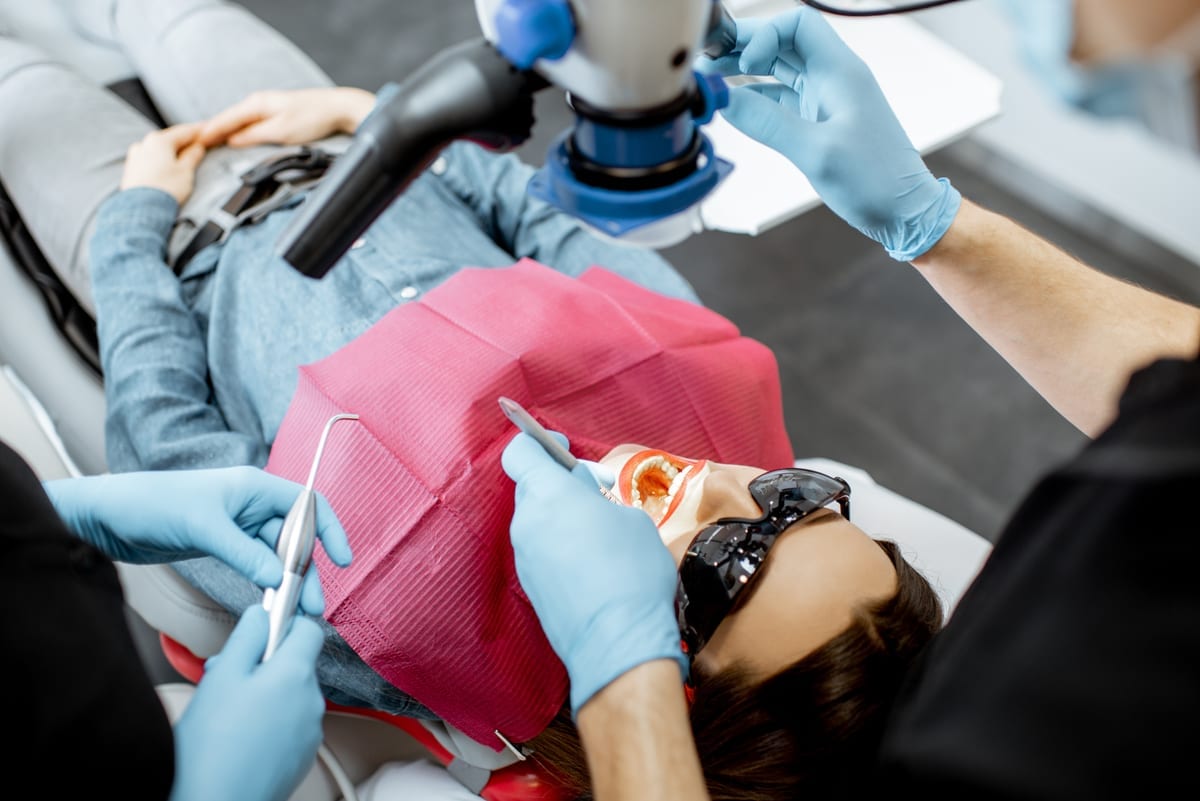
During your consultation at Riverwalk Dental Arts, Dr. Shah will review your bone density, gum health, and overall oral health. He’ll walk you through what each option realistically looks and feels like for your situation. You’ll leave with a clear understanding — not a hard sell.
Come prepared with your questions. Understanding the long-term picture helps you make a decision you’ll feel confident about for years to come. Patients in Rock Hill deserve a solution that fits their life — not just their budget today.
Whether you move forward with dentures, implants, or an implant-supported solution, the goal is the same: restoring your health, confidence, and comfort. Book Now to schedule your appointment with our team.
Frequently Asked Questions
Do dentures cause bone loss in the jaw?
Yes, traditional dentures do not stimulate the jawbone the way natural tooth roots do. Over time, the bone beneath the denture can shrink through a process called resorption. This is why many patients who wear dentures for years notice changes in their facial shape and denture fit.
How long do dental implants last compared to dentures?
Dental implants are designed to last a lifetime with proper care and regular dental checkups. The implant crown on top may need replacement after 15–25 years depending on wear. Dentures typically need replacement every 5–10 years and require adjustments more frequently as the jawbone changes shape.
Can I switch from dentures to implants later?
Yes, but waiting can complicate the process. Bone loss from long-term denture use may require a bone grafting procedure before implants can be placed. Acting sooner — while more bone is preserved — generally leads to a simpler and more successful implant placement.
Are dental implants painful to get?
Most patients are surprised by how comfortable the implant procedure is with proper local anesthesia. Some mild soreness and swelling after surgery is normal and manageable. Dr. Nemish Shah and the Riverwalk Dental Arts team take care to ensure patients are comfortable throughout the entire process.
What is an implant-supported denture?
An implant-supported denture combines the coverage of a full denture with the stability of dental implants. Instead of resting on the gums, the denture snaps onto implant posts anchored in the jawbone. This eliminates slipping and provides far greater comfort and chewing ability than a traditional removable denture.