
By Riverwalk Dental Arts | May 15, 2026
Losing a tooth changes more than your smile — it can affect how you chew, speak, and feel about showing your teeth in photos. If you’re researching for dental implants in Rock Hill, you’re likely looking for a permanent, natural-feeling way to replace missing teeth without the compromises that come with dentures or bridges. At Riverwalk Dental Arts-Rock Hill, patients have a trusted, experienced team guiding them through every stage of the implant journey, from initial consultation to final restoration.
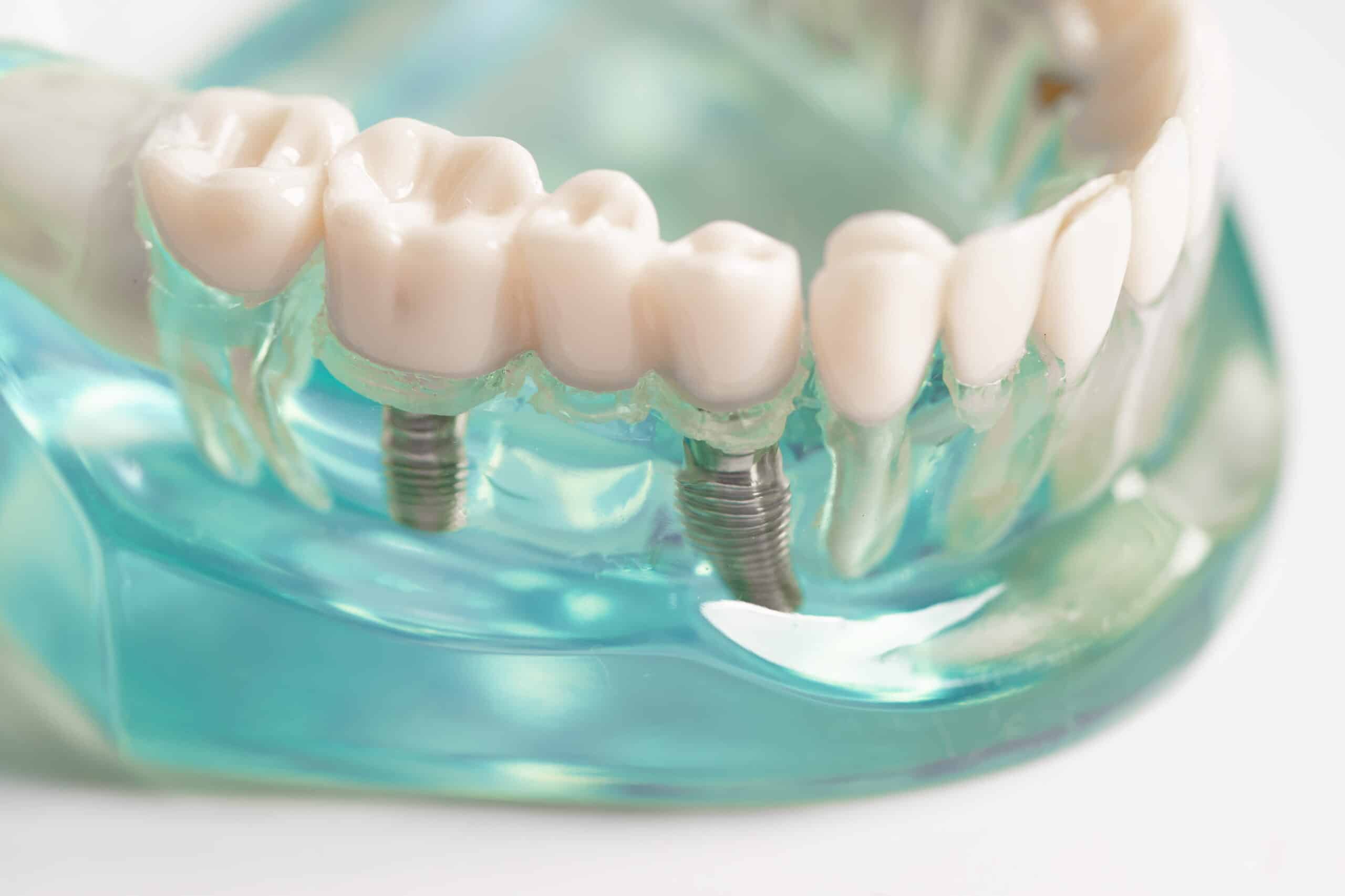
Quick Answer: Dental implants are titanium posts surgically placed into the jawbone to replace missing tooth roots. Over several months, the implant fuses with the bone through a process called osseointegration, creating a stable foundation for a crown, bridge, or denture that looks, feels, and functions like a natural tooth.
Why Dental Implants Are the Gold Standard in Tooth Replacement
Unlike removable dentures or traditional bridges that rely on adjacent teeth for support, dental implants stand independently. They replace the entire tooth structure — root and crown — which is why dental professionals widely consider them the most durable and biologically sound solution for tooth loss.
Research from the American College of Prosthodontists indicates that implant success rates exceed 95% for healthy patients with adequate bone density, making them one of the most predictable procedures in modern dentistry. Beyond longevity, implants help preserve jawbone volume. When a tooth is lost, the surrounding bone begins to resorb within months; an implant stimulates that bone the same way a natural root would, preventing the sunken facial appearance often associated with long-term tooth loss.
Who Is a Good Candidate for Implants?
Most healthy adults with sufficient jawbone density and healthy gums are candidates for dental implants. Rock Hill patients commonly qualify even if they’ve been told “no” elsewhere, since advancements like bone grafting and sinus lifts can build up bone in areas that previously lacked support.
Factors your dentist will evaluate include:
- Overall gum health and presence of active periodontal disease
- Bone density in the implant site
- Chronic conditions such as uncontrolled diabetes, which can affect healing
- Smoking history, since tobacco use slows osseointegration
- Bite alignment and the number of teeth being replaced
A thorough consultation, including 3D imaging, gives your dental team a precise picture of your anatomy before any treatment plan is finalized.
The Dental Implant Process, Step by Step
1. Comprehensive Consultation and Imaging
Your journey begins with a detailed exam, digital X-rays, and often a CBCT scan to map out bone structure, nerve positioning, and sinus location. This step ensures the implant is placed with precision and minimizes surgical risk.
2. Implant Placement Surgery
The titanium implant post is placed directly into the jawbone under local anesthesia or sedation, depending on patient comfort and case complexity. Most single-implant placements take less than an hour.
3. Healing and Osseointegration
Over the following three to six months, the implant fuses with the surrounding bone. This healing phase is critical — it’s what gives implants their exceptional strength and stability compared to other tooth-replacement options.
4. Abutment and Restoration Placement
Once healing is complete, a small connector called an abutment is attached to the implant, followed by a custom-crafted crown, bridge, or implant-supported denture designed to blend seamlessly with your natural smile.
Benefits of Choosing Implants Over Other Options
Patients often ask how implants compare to bridges or dentures. The differences are significant:
- Longevity: With proper care, implants can last decades, often a lifetime, while bridges typically need replacement every 10–15 years.
- Bone preservation: Implants are the only replacement option that actively prevents jawbone loss.
- Natural function: Implants restore up to 90% of natural biting force, compared to a fraction of that with removable dentures.
- No impact on healthy teeth: Traditional bridges require filing down adjacent teeth; implants stand alone.
- Improved speech and comfort: Unlike ill-fitting dentures, implants eliminate slipping, clicking, or irritation.
Cost Considerations for Dental Implants in Rock Hill
Implant cost varies based on the number of teeth being replaced, whether bone grafting is needed, and the type of restoration chosen. While implants often carry a higher upfront investment than dentures or bridges, their durability frequently makes them more cost-effective over time, since they rarely require replacement or ongoing adjustments.
Many Rock Hill patients are pleasantly surprised to learn that flexible financing options and payment plans can make treatment far more accessible than expected. During your consultation, your provider can review available financing solutions to help you plan confidently.
Caring for Your Dental Implants Long-Term
Implants don’t decay like natural teeth, but the surrounding gum tissue can still be affected by plaque buildup, a condition known as peri-implantitis. To protect your investment:
- Brush twice daily using a soft-bristled or electric toothbrush
- Floss daily, using implant-safe floss or a water flosser around the abutment
- Avoid chewing excessively hard items like ice or hard candy
- Schedule professional cleanings and checkups every six months
- Address teeth grinding (bruxism) with a nightguard if recommended
Routine maintenance not only protects your implant but also supports the health of neighboring natural teeth and gum tissue.
Why Rock Hill Patients Trust Riverwalk Dental Arts for Implant Dentistry
Choosing an experienced implant provider matters just as much as choosing the right procedure. The team at Riverwalk Dental Arts-Rock Hill combines advanced diagnostic imaging, precise surgical planning, and a patient-first approach to make the implant process as comfortable and predictable as possible. From single-tooth replacements to full-arch restorations, patients throughout Rock Hill and the surrounding York County area visit us and rely on our practice for personalized, long-term care rather than one-size-fits-all treatment.
Frequently Asked Questions
How long does the dental implant process take from start to finish?
Most cases take three to eight months total, depending on healing time and whether bone grafting is required. Simple, single-tooth cases without grafting can sometimes be completed faster.
Are dental implants painful?
The procedure itself is performed under anesthesia, so patients typically feel little to no pain during placement. Mild soreness or swelling for a few days afterward is normal and manageable with over-the-counter pain relief.
Can I get dental implants if I’ve lost bone density?
Yes. Bone grafting and sinus lift procedures can rebuild adequate bone structure in most patients, making implants possible even years after tooth loss.
How do I know if I need one implant or a full-arch solution?
This depends on how many teeth are missing and the condition of remaining teeth. A consultation with imaging will determine whether a single implant, implant bridge, or full-arch option like All-on-4 is the best fit.
Do dental implants look natural?
Yes. Implant crowns are custom-shaded and shaped to match surrounding teeth, making them virtually indistinguishable from natural teeth in both appearance and function.
Is dental implant treatment covered by insurance?
Coverage varies by provider and plan. Some insurance plans partially cover implant-related procedures, and our team can help verify your benefits and discuss financing options during your visit.
Ready to Restore Your Smile with Confidence?
If missing teeth have been holding you back from eating, speaking, or smiling with confidence, dental implants may be the long-term solution you’ve been searching for. The team at Riverwalk Dental Arts-Rock Hill is here to guide Rock Hill patients through every step, from your first consultation to your final restoration. Schedule your dental implant consultation today and take the first step toward a permanent, natural-looking smile