
By Riverwalk Dental Arts | August 5, 2026
If you’re researching the cost of routine dental cleaning in Rock Hill, you probably want a straightforward answer before scheduling an appointment. The challenge is that there isn’t one universal price for every patient. The final cost can depend on what your visit includes, your oral health, whether an exam or X-rays are needed, your insurance benefits, and whether you need a routine cleaning or periodontal treatment.
At Riverwalk Dental Arts, preventive care includes professional cleanings and routine exams designed to identify problems early and help patients maintain healthy teeth and gums. The practice serves patients throughout Rock Hill and the surrounding York County area.
What Is the Cost of Routine Dental Cleaning in Rock Hill?
The most important thing to understand is that a dental office may not be able to give you an exact cleaning price without knowing what type of care you need.
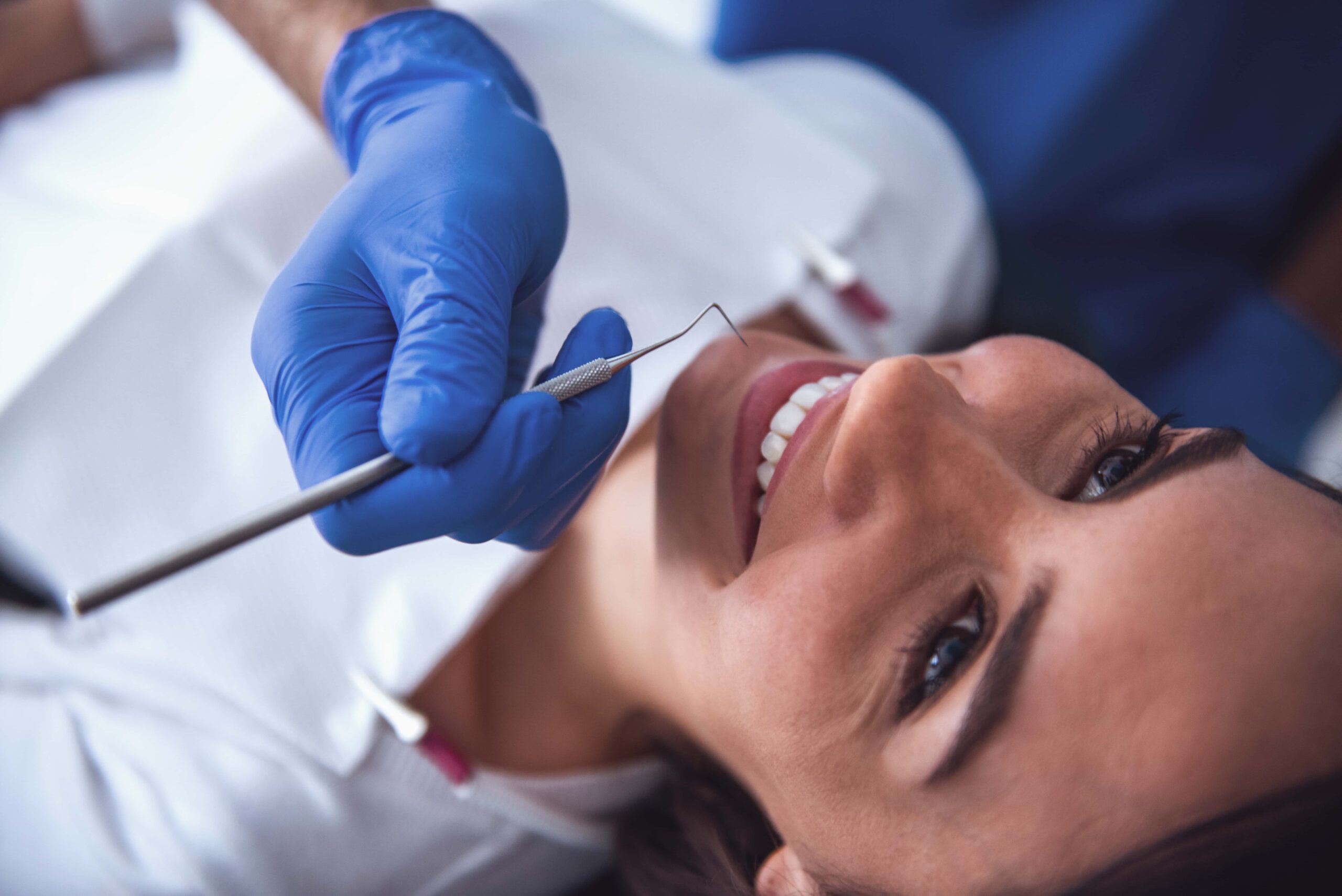
A routine professional cleaning generally involves removing plaque and tartar from areas that are difficult to clean thoroughly at home. Riverwalk Dental Arts explains that professional cleanings are part of preventive care and are typically performed alongside dental examinations.
Your total appointment cost may depend on factors such as:
- Whether you are receiving a cleaning alone or a cleaning and oral exam
- Whether digital X-rays are recommended
- The amount of plaque and tartar present
- Your gum health
- Whether you have dental insurance
- Whether additional preventive services, such as fluoride treatment, are recommended
- Whether you need routine preventive care or periodontal treatment
For that reason, the best way to determine your individual cost is to have the dental team review your needs and insurance benefits before treatment.
What Does a Routine Dental Cleaning Include?
A routine cleaning is more than simply polishing the visible surfaces of your teeth.
During preventive visits at Riverwalk Dental Arts, the dental team evaluates your oral health and provides professional cleaning along with personalized guidance for brushing, flossing, and other home-care habits. Depending on your needs, preventive care may also include oral cancer screening, periodontal evaluation, digital X-rays, fluoride treatment, or dental sealants.
Professional cleaning is important because plaque can harden into tartar, also called calculus. Once tartar develops, brushing and flossing at home cannot completely remove it. Professional removal helps control plaque accumulation and supports healthier gums.
Routine Cleaning vs. Deep Cleaning: Why the Difference Matters
One of the biggest factors affecting dental cleaning costs is whether you actually need a routine cleaning.
A routine cleaning is generally intended for maintaining oral health when there is no active periodontal condition requiring more extensive therapy.
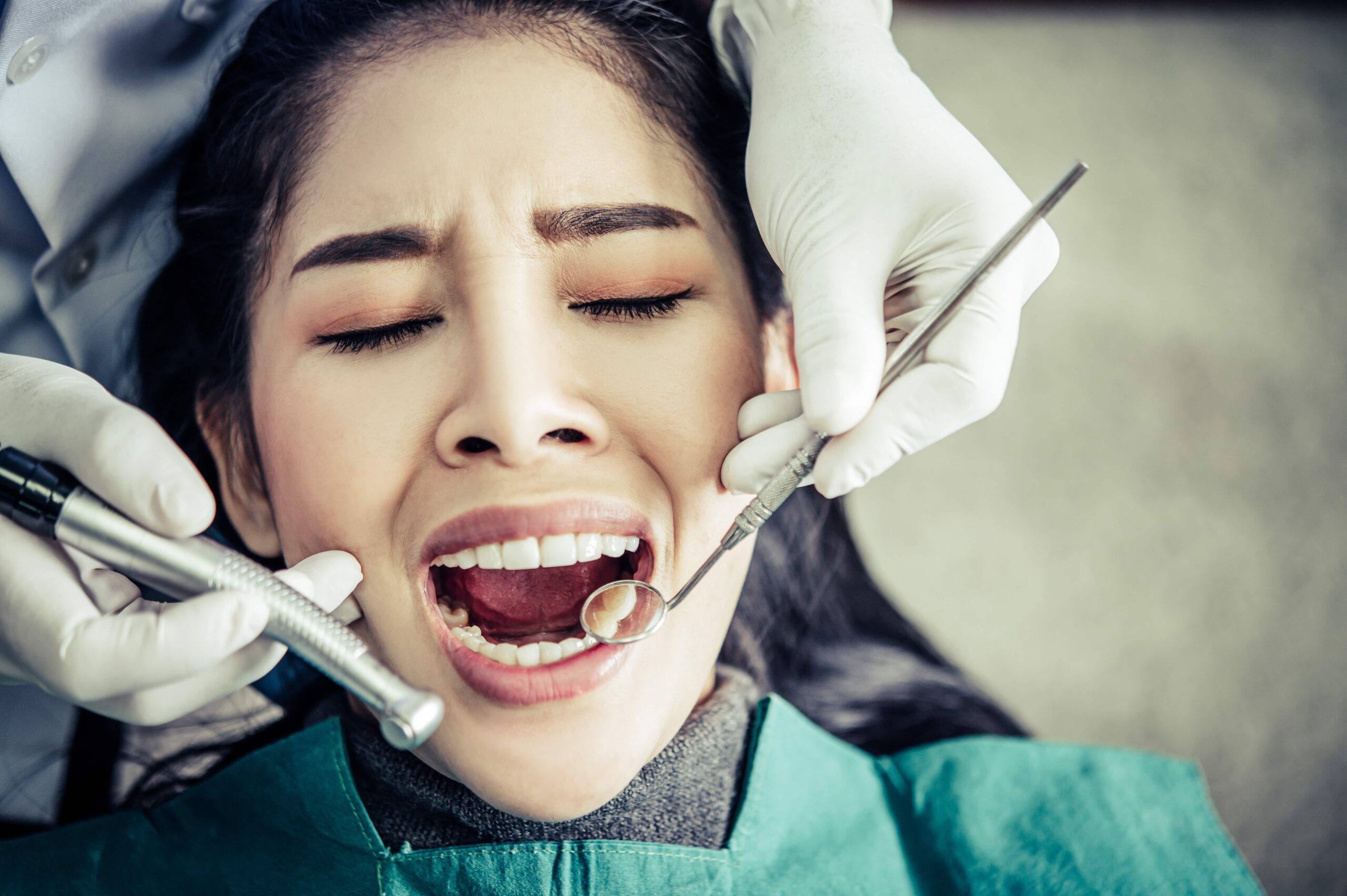
A deep cleaning, medically known as scaling and root planing, is different. It involves removing plaque and tartar from above and below the gumline and smoothing the tooth roots. It may require multiple appointments and, depending on the situation, local anesthesia.
Riverwalk Dental Arts also provides periodontal treatment for patients who need care beyond a standard cleaning.
If your gums bleed frequently, appear swollen, recede, or you have persistent bad breath, don’t assume you simply need a more expensive cleaning. These symptoms can be associated with gum disease and deserve a professional evaluation.
Does Dental Insurance Cover Routine Cleanings?
Many dental insurance plans provide benefits for preventive services, but coverage varies by plan. Some policies cover routine examinations and cleanings at a high percentage, while others may have limitations involving frequency, deductibles, networks, or annual maximums.
Riverwalk Dental Arts notes that preventive dental care may be covered by dental insurance with little or no out-of-pocket expense depending on the patient’s plan. The practice encourages patients to review their financial information or contact the office with questions about insurance, dental savings plans, payment options, and financing.
The American Dental Association also emphasizes the importance of preventive dental services and has advocated for coverage of evidence-based preventive care.
Before your appointment, ask:
- Is a routine cleaning covered by my plan?
- How frequently does my plan cover cleanings?
- Is an oral exam covered separately?
- Are X-rays covered?
- Is Riverwalk Dental Arts in my insurance network?
- Will I have an estimated out-of-pocket amount?
These questions can make your expected dental expenses much easier to understand.
How Often Should You Get a Dental Cleaning?
There is no single cleaning schedule that is appropriate for every person.
Riverwalk Dental Arts encourages patients to come in twice a year for routine checkups and professional cleanings, while recognizing that some patients may need shorter or longer intervals based on their individual oral health needs.
Your recommended schedule may be influenced by:
- History of cavities
- Gum disease or periodontal problems
- Plaque and tartar buildup
- Oral hygiene habits
- Age and overall risk factors
- Previous dental treatment
The American Dental Association similarly supports tailoring preventive care intervals to individual patient needs rather than assuming that one schedule works for everyone.
Why Routine Cleanings Can Help Control Future Dental Costs
A cleaning isn’t simply about having fresher breath or smoother teeth. Preventive visits give your dentist an opportunity to identify developing problems before they become more complicated.
Riverwalk Dental Arts describes preventive dentistry as a proactive approach that can help identify cavities, gum disease, and other concerns early.
For example, a small cavity discovered during a routine examination may require a simpler restoration than a tooth that has been allowed to progress to a more advanced stage. Similarly, identifying early gum inflammation can provide an opportunity to improve oral hygiene and address periodontal concerns before they become more advanced.
Routine care cannot guarantee that expensive dental treatment will never be necessary, but it can make early detection and prevention part of your long-term oral health strategy.
What You Can Do Between Dental Cleanings
Professional cleanings work best when combined with consistent home care.
The ADA recommends brushing twice daily with fluoride toothpaste and cleaning between the teeth daily.
Between visits:
- Brush for two minutes twice a day.
- Clean between your teeth once a day using floss or another appropriate interdental cleaner.
- Limit frequent sugary foods and drinks.
- Follow your dentist’s recommendations for fluoride or other preventive treatments.
- Don’t wait for significant tooth pain before seeking dental care.
If you’re looking for a dentist in Rock Hill who can evaluate your current oral health and recommend an appropriate preventive schedule, Riverwalk Dental Arts provides routine exams and professional cleanings as part of its general and preventive dentistry services.
Choosing a Rock Hill Dentist for Preventive Care
Price matters, but it should not be the only factor when choosing a dental practice.
A good preventive dental visit should give you a clear understanding of your oral health, what treatment you actually need, and how to maintain your teeth between appointments.
Riverwalk Dental Arts is located at 998 Riverwalk Parkway, Suite 203, Rock Hill, SC 29730. The practice provides general, preventive, restorative, cosmetic, pediatric, and emergency dental services and uses technologies including digital X-rays, iTero scanning, and CBCT imaging. Dr. Nemish Shah and the team serve patients in Rock Hill and nearby communities including Fort Mill, Tega Cay, and India Hook.
The Bottom Line on Dental Cleaning Costs in Rock Hill
The cost of routine dental cleaning depends on the services you need, your oral health, and your insurance benefits, so an exact price should be confirmed with the dental office rather than assumed from a general online estimate.
If it’s been several months—or several years—since your last cleaning, getting an evaluation can help determine whether you need routine preventive care or a different level of treatment. Riverwalk Dental Arts can assess your teeth and gums, explain your findings, and help you understand your treatment options and expected costs.
FAQs
How much does a routine dental cleaning cost in Rock Hill?
The cost varies based on the services included, your oral health, and insurance benefits. The most accurate estimate comes from the dental office after reviewing your needs and coverage.
Does dental insurance cover routine dental cleanings?
Many dental plans provide benefits for preventive cleanings and exams, but coverage, frequency limits, deductibles, and network requirements vary. Check your specific plan before your appointment.
What is the difference between a regular cleaning and a deep cleaning?
A regular cleaning is preventive care for maintaining healthy teeth and gums. A deep cleaning, or scaling and root planing, treats plaque and tartar buildup below the gumline associated with periodontal disease.
How often should I get my teeth professionally cleaned?
Many patients receive routine cleanings about twice a year, but the appropriate interval depends on individual oral health needs. Riverwalk Dental Arts notes that some patients may require shorter or longer intervals.
Can regular dental cleanings help prevent expensive dental treatment?
Routine cleanings do not guarantee that major dental problems will never occur, but preventive visits can help identify cavities, gum disease, and other concerns earlier, when treatment may be simpler.