By Riverwalk Dental Arts | August 10, 2026
Getting a dental crown is a significant investment in your smile and oral health. But the work does not stop once your crown is placed. Proper care makes the difference between a crown that lasts decades and one that fails prematurely. This guide covers everything Rock Hill patients need to know — from cleaning around crown margins to foods to avoid and night guard essentials for grinders.
Understanding Crown Margins and Why They Matter
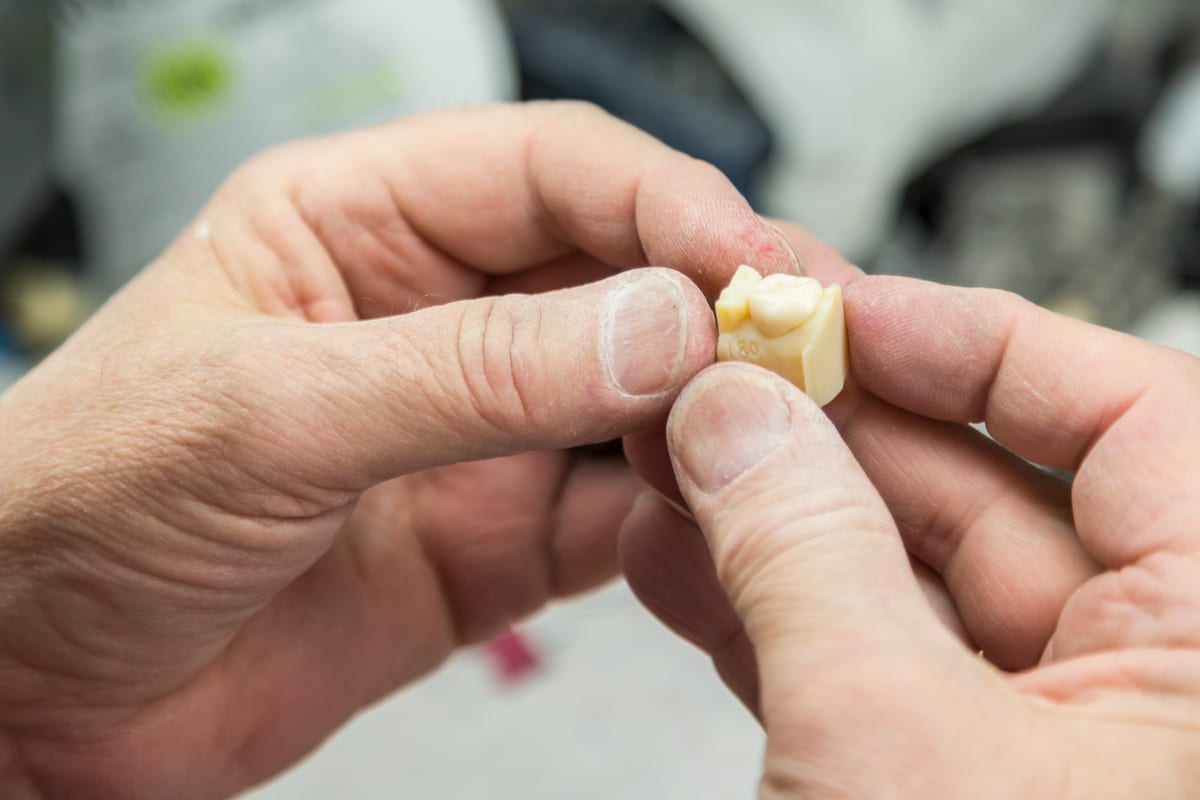
The margin is the edge where your dental crown meets your natural tooth structure. This junction is one of the most vulnerable spots on a crowned tooth. Bacteria and plaque love to collect there, making consistent cleaning absolutely critical.
Neglecting the margin area can lead to decay forming underneath the crown. Once decay develops under a crown, the restoration often needs to be replaced entirely. That is why your daily hygiene routine must target this area with precision.
Use a soft-bristled toothbrush and brush at a 45-degree angle toward the gumline. This technique cleans the margin zone effectively without damaging surrounding gum tissue. Ask Dr. Nemish Shah at Riverwalk Dental Arts to show you the proper brushing angle at your next visit.
Daily Cleaning Habits to Protect Your Crown in Rock Hill
Brushing twice daily is the foundation of crown care. However, flossing is just as important — perhaps even more so around a crowned tooth. Floss slides under the gumline and disrupts plaque buildup right at the margin.
Use these daily cleaning steps to maintain your crown properly:
- Brush gently twice a day with a fluoride toothpaste
- Floss once daily, carefully sliding the floss down both sides of the crowned tooth
- Use an antibacterial mouthwash to reduce bacterial load around the margin
- Consider a water flosser for added cleaning between the crown and gumline
- Avoid brushing too aggressively, which can erode the gumline over time
Consistent habits protect both the crown and the underlying tooth structure. They also keep your gums healthy, which supports the long-term stability of the restoration. Small daily efforts prevent expensive dental problems down the road.
Foods to Avoid After Getting a Dental Crown
What you eat directly impacts the lifespan of your dental crown. Certain foods put excessive stress on crowns and can cause cracking, loosening, or even dislodgement. Being mindful of your diet is a simple but powerful protective measure.
Avoid these foods and habits to protect your investment:
- Hard foods: Ice, hard candies, and raw carrots can crack porcelain or ceramic crowns
- Sticky foods: Caramel, taffy, and gummy candies can pull a crown loose over time
- Crunchy snacks: Popcorn kernels and hard nuts create high bite pressure on crowns
- Chewy meats: Tough cuts of meat stress the cement bond holding the crown
- Sugary drinks: Sodas and juices feed bacteria that attack the crown margin
In the first few days after crown placement, stick to soft foods like yogurt, mashed potatoes, and soup. The crown cement needs time to fully set. Once fully healed, you can enjoy most foods — just be smart about hard and sticky items.
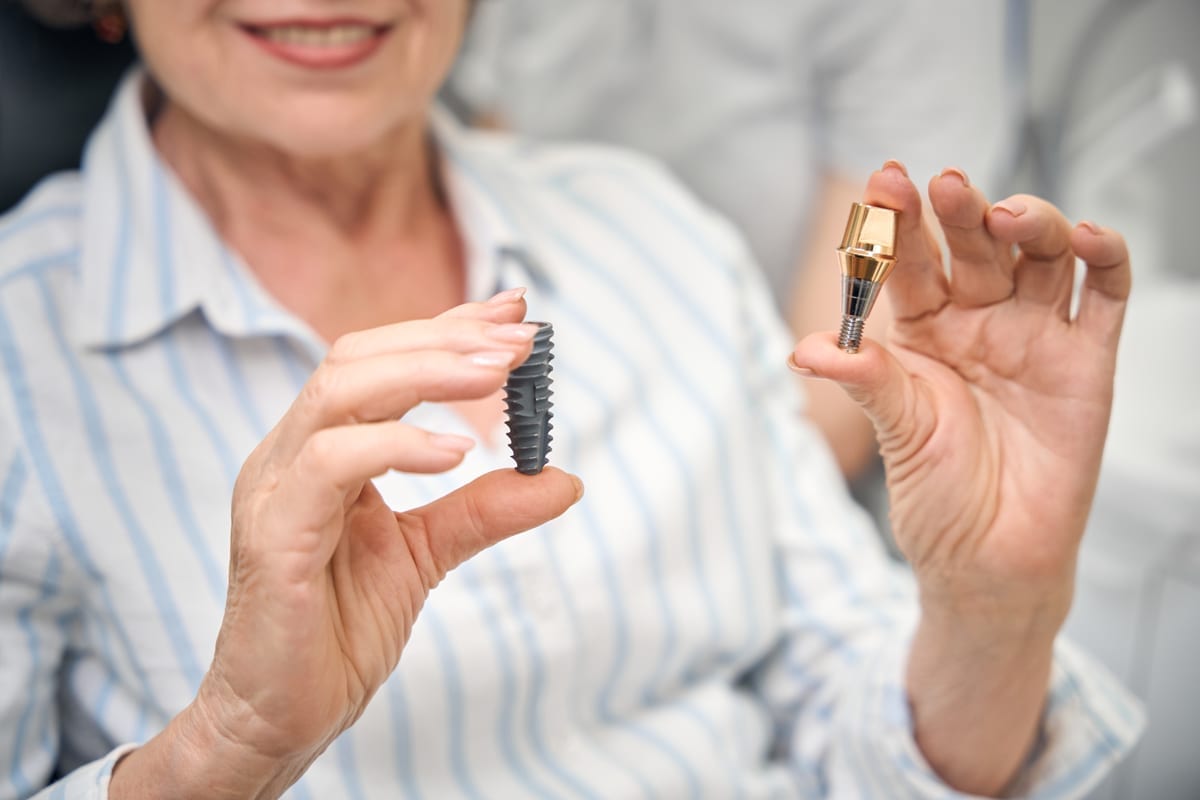
If you are missing teeth alongside a crowned tooth, you may also want to explore Implant Dentistry Rock Hill as a long-term solution to restore your full bite function.
Night Guards: Essential Protection for Grinders
Bruxism — the habit of grinding or clenching teeth during sleep — is one of the leading causes of crown damage. Many people grind without even realizing it. The forces generated during nighttime grinding can exceed normal biting forces by several times.
This excessive pressure chips porcelain, wears down the crown surface, and stresses the underlying tooth. Over time, grinding can fracture even the strongest crown material. A custom night guard is the most effective way to prevent this damage.
A night guard creates a protective barrier between your upper and lower teeth. It absorbs and redistributes the grinding forces before they reach your crown. Dr. Shah can fit you for a custom-made night guard right here at Riverwalk Dental Arts in Rock Hill.
Store-bought guards are available, but they rarely fit well. Poor fit reduces effectiveness and can even shift tooth alignment over time. A custom guard made from a dental impression of your mouth fits precisely and protects more reliably.
Signs you may be grinding at night include:
- Waking up with jaw soreness or headaches
- Worn-down teeth surfaces noticed at your dental checkup
- Chipped or cracked crowns without a clear cause
- Facial muscle tension in the morning
- A partner mentioning grinding sounds during the night
If you notice these signs, speak with Dr. Shah as soon as possible. Untreated grinding also contributes to TMJ disorders, which can cause chronic jaw pain and restricted mouth opening. Catching bruxism early protects both your crowns and your jaw joint health.
Routine Checkups Keep Your Crown Performing at Its Best
Even with perfect home care, professional checkups are irreplaceable. Your dentist can spot early issues at the crown margin that you simply cannot see or feel at home. Catching a problem early saves you from a full replacement procedure later.
At Riverwalk Dental Arts, Dr. Shah evaluates every aspect of your crown during routine visits. He checks the fit, the integrity of the margins, and the health of surrounding gum tissue. Professional cleanings also remove tartar buildup that accumulates around the crown base despite regular brushing.
Most patients with crowns should visit every six months for maintenance. Some patients with periodontal concerns or heavy grinding may benefit from more frequent visits. Your care plan is always individualized to your specific needs.
If your smile goals extend beyond crown care, our team also offers Gummy Smile Treatment Rock Hill for patients looking to refine the overall appearance of their smile alongside restorative work.
Conclusion: Protect Your Crown for the Long Term
A well-cared-for dental crown can last 15 years or more. The key is combining smart daily hygiene, mindful eating, and proactive protection like a night guard. Patients in Rock Hill have a trusted partner in Dr. Nemish Shah and the team at Riverwalk Dental Arts. Book Now to schedule your appointment with our team.
Frequently Asked Questions
How often should I clean around my dental crown?
You should clean around your dental crown twice daily with a soft toothbrush and once daily with floss. Targeting the margin area — where the crown meets your tooth — is especially important to prevent decay and gum irritation. An antibacterial mouthwash used daily adds extra protection.
Can I eat normally after getting a dental crown placed?
You should eat soft foods for the first 24 to 48 hours after crown placement while the cement fully sets. After that, you can return to most normal foods. However, you should consistently avoid very hard items like ice and hard candy, and sticky foods like caramel, to protect the crown long term.
Do I really need a night guard if I have a crown?
If you grind or clench your teeth at night, a custom night guard is strongly recommended. Grinding generates forces that can chip, crack, or loosen a dental crown over time. A professionally fitted night guard from your dentist provides the most reliable protection for your restoration.
How long does a dental crown typically last with good care?
With proper home care and regular dental visits, a dental crown can last anywhere from 10 to 20 years or longer. The lifespan depends on crown material, bite forces, and how consistently you follow good hygiene habits. Avoiding hard and sticky foods also extends the life of your crown significantly.
What should I do if my dental crown feels loose or comes off?
Contact your dentist as soon as possible if your crown feels loose or falls off. Do not attempt to recement it yourself. Keep the crown safe and avoid chewing on that side of your mouth. Prompt attention prevents damage to the underlying tooth and makes reattachment easier for your dental team.