By Riverwalk Dental Arts | August 3, 2026
Understanding what to expect after periodontal treatment is key to a smooth recovery. Many patients in Rock Hill feel uncertain about the days and weeks that follow their procedure. At Riverwalk Dental Arts, Dr. Nemish Shah and our team want you to feel confident and informed every step of the way. This guide walks you through your recovery timeline, what to eat, how to manage discomfort, and when to call our office.
Your Periodontal Treatment Recovery Timeline in Rock Hill
Recovery after periodontal treatment varies depending on the type of procedure you received. Scaling and root planing typically has a shorter recovery than surgical gum treatments. Most patients in Rock Hill experience the most noticeable discomfort within the first 48 to 72 hours. After that, symptoms generally improve each day.
Here is a general timeline you can expect to follow:
- Day 1–2: Swelling, sensitivity, and mild bleeding are normal. Rest as much as possible.
- Day 3–5: Discomfort begins to decrease. Gums may still feel tender when brushing.
- Week 2: Most patients return to normal routines. Sensitivity continues to fade.
- Week 4–6: Gum tissue heals fully. Dr. Shah will schedule a follow-up to check your progress.
Keep in mind that every patient heals at a different pace. Factors like overall health, smoking history, and how advanced your gum disease was can all affect recovery speed.
What to Eat After Periodontal Treatment
Your diet plays a major role in how quickly your gums heal. Eating the wrong foods can irritate tender tissue and slow your recovery. Dr. Shah recommends starting with soft, cool foods immediately after your procedure. Avoid anything hard, crunchy, or spicy for at least the first week.
Here are foods that are safe and soothing during early recovery:
- Yogurt and smoothies
- Scrambled eggs or soft-boiled eggs
- Mashed potatoes and soft vegetables
- Oatmeal and cream of wheat
- Soup broth (not too hot)
- Soft fish like tilapia or salmon
Avoid alcohol, carbonated beverages, and very hot drinks during recovery. These can increase inflammation and delay healing. Staying well hydrated with water supports your body’s natural healing process.
Managing Pain and Discomfort After Your Procedure
Some discomfort after periodontal treatment is completely normal. Dr. Nemish Shah will provide personalized pain management instructions before you leave our Rock Hill office. Most patients find that over-the-counter pain relievers manage their discomfort effectively. Always follow the dosage instructions on the label or as directed by Dr. Shah.
Here are additional ways to reduce discomfort at home:
- Apply a cold compress to your jaw for 10 to 15 minutes at a time during the first 24 hours
- Rinse gently with warm salt water starting the day after treatment
- Avoid vigorous rinsing or spitting, which can disturb healing tissue
- Sleep with your head slightly elevated to minimize swelling
Some patients also experience tooth sensitivity during recovery. This is normal because the roots of your teeth become more exposed after scaling and root planing. Using a sensitivity toothpaste can help. If sensitivity feels severe or lasts longer than two weeks, contact Riverwalk Dental Arts.
Oral Hygiene Tips During Periodontal Recovery in Rock Hill
Keeping your mouth clean after treatment is essential. Bacteria in the mouth can slow healing and increase your risk of infection. However, you need to be gentle. Aggressive brushing or flossing right after treatment can damage tender gum tissue.
Follow these oral hygiene guidelines during recovery:
- Use a soft-bristled toothbrush only
- Brush gently in circular motions, avoiding direct pressure on the gumline
- Resume flossing carefully after 48 hours, or as Dr. Shah advises
- Use any prescribed antimicrobial rinse as directed
- Avoid commercial mouthwashes with alcohol, which can be irritating
Your home care routine after periodontal treatment directly impacts your long-term gum health. Patients who maintain excellent hygiene tend to see significantly better outcomes at their follow-up appointments. Dr. Shah may also recommend a more frequent professional cleaning schedule going forward.
When to Call Riverwalk Dental Arts After Treatment
Knowing when to seek help is just as important as following your aftercare instructions. Some symptoms are expected during recovery. Others may signal that something needs attention from Dr. Shah’s team.
Contact our Rock Hill office if you experience any of the following:
- Bleeding that does not stop after gentle pressure for 20 minutes
- Severe or worsening pain that does not respond to pain relievers
- Signs of infection such as fever, pus, or a bad taste in your mouth
- Significant swelling that worsens after the first three days
- A loose temporary dressing or suture that falls out early
Do not wait and hope these symptoms resolve on their own. Catching complications early makes them much easier to treat. Our team at Riverwalk Dental Arts is always here to answer your questions and support your recovery.
Supporting Your Long-Term Gum Health After Treatment
Periodontal treatment addresses existing gum disease, but it does not eliminate the risk of it returning. Long-term success depends on consistent home care and regular professional visits. Dr. Nemish Shah will design a customized maintenance plan for you based on your specific gum health needs.
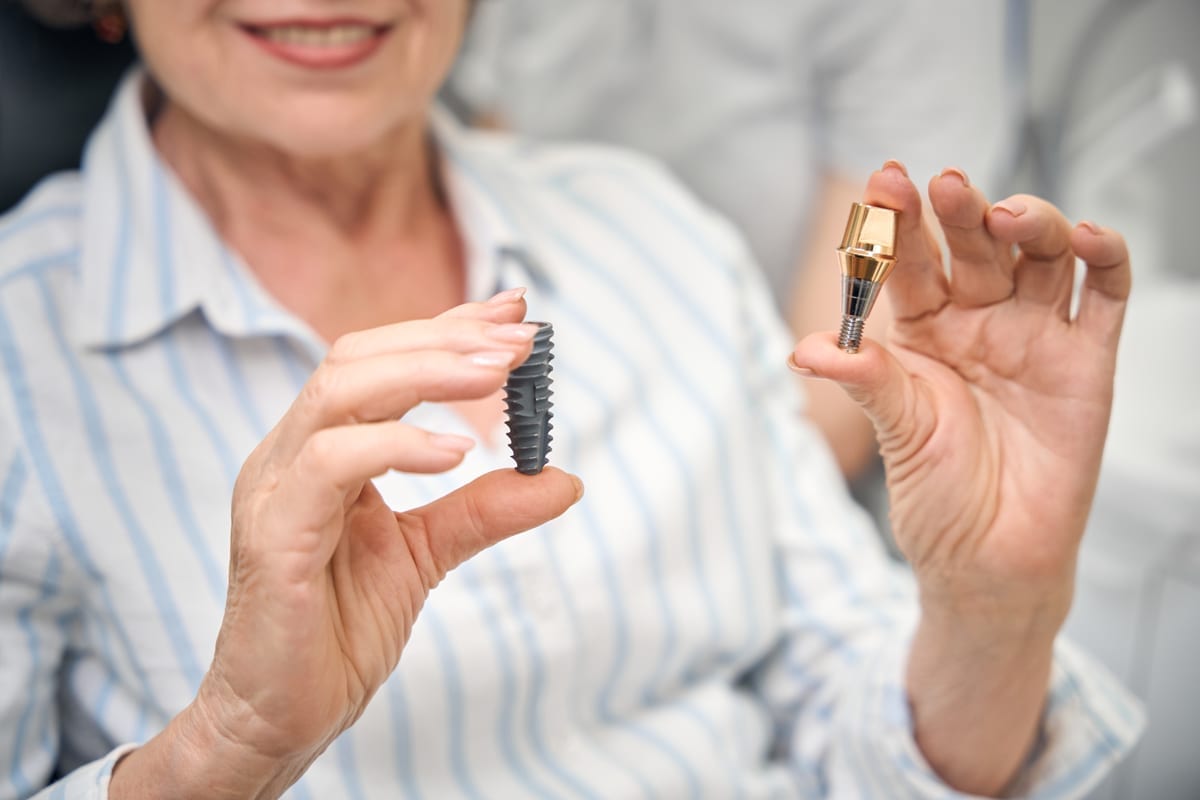
Some patients with advanced bone loss may also benefit from restorative options. For example, Implant Dentistry Rock Hill can help restore teeth lost to severe periodontal disease. For patients concerned about how gum disease has affected the appearance of their smile, Gummy Smile Treatment Rock Hill is another option worth discussing with Dr. Shah. Every patient’s journey is unique, and we tailor our recommendations to your goals.
Staying committed to your follow-up appointments is critical. Periodontal maintenance cleanings are typically recommended every three to four months for patients with a history of gum disease. These visits allow Dr. Shah to monitor your gum health and catch any early signs of recurrence before they become serious problems.
Conclusion
Recovering from periodontal treatment takes time, patience, and the right aftercare. By following Dr. Nemish Shah’s guidance on diet, oral hygiene, pain management, and follow-up care, you give your gums the best chance to heal fully. Riverwalk Dental Arts is proud to support patients throughout Rock Hill, SC on their path to healthier gums and a stronger smile. Book Now to schedule your appointment with our team.
Frequently Asked Questions
How long does it take to recover from periodontal treatment?
Most patients feel significantly better within five to seven days after non-surgical treatment like scaling and root planing. Surgical procedures may take two to four weeks for full recovery. Your healing timeline depends on the severity of your gum disease and how well you follow aftercare instructions.
Is it normal for gums to bleed after periodontal treatment?
Light bleeding during the first 24 to 48 hours is normal. You can manage it by applying gentle pressure with clean gauze. If bleeding is heavy or continues beyond 48 hours, contact Riverwalk Dental Arts for guidance from Dr. Shah’s team.
Can I brush my teeth the day after periodontal treatment?
Yes, gentle brushing is encouraged. Use a soft-bristled toothbrush and avoid applying pressure directly to the treated gumline. Dr. Shah will give you specific instructions tailored to your procedure type during your appointment.
What foods should I avoid after periodontal treatment?
Avoid hard, crunchy, spicy, or very hot foods for at least the first week. Foods like chips, raw vegetables, nuts, and hot soups can irritate healing gum tissue. Stick to soft, cool foods such as yogurt, smoothies, eggs, and mashed potatoes during early recovery.
When should I schedule my next dental visit after periodontal treatment?
Dr. Nemish Shah typically schedules a follow-up appointment four to six weeks after treatment to assess healing. Ongoing periodontal maintenance visits are usually recommended every three to four months. Consistent follow-up care is essential for preventing gum disease from returning.