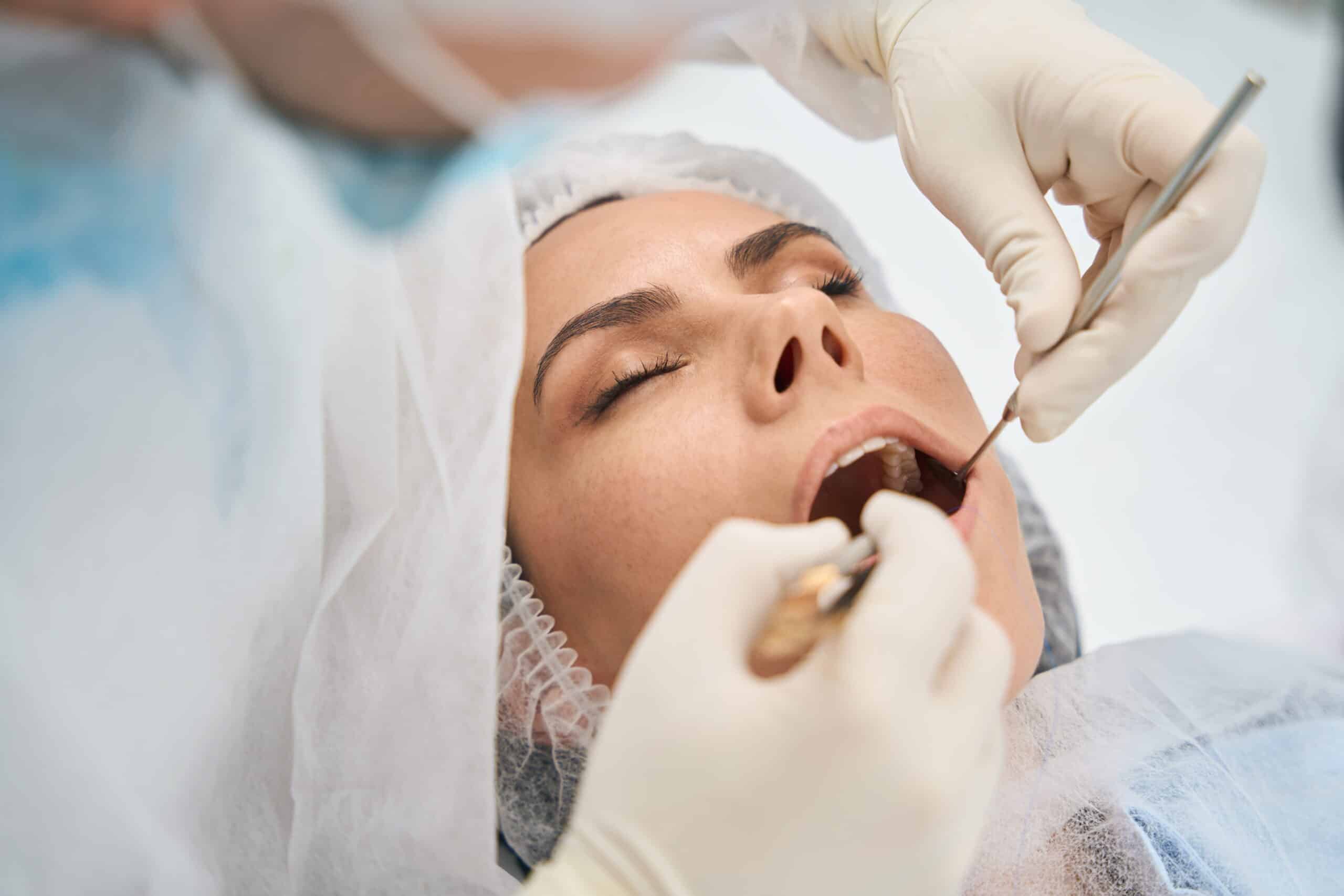

By Riverwalk Dental Arts | June 5, 2026
Getting a tooth pulled is stressful enough; the last thing you want is to eat the wrong thing and set back your recovery accidentally. This guide covers exactly what to eat after a tooth extraction, hour by hour, so you heal quickly, stay comfortable, and sidestep the most common complication: dry socket.
What Can You Eat in the First 24 Hours After a Tooth Extraction?
The first 24 hours are the most important for clot formation. The golden rule: soft, cold or room-temperature foods only. No chewing on the extraction side.
Best foods for the first 24 hours:
- Yogurt (plain or flavored — avoid crunchy granola mix-ins)
- Applesauce
- Smoothies — sipped with a spoon or small sips, never through a straw
- Mashed potatoes (no skin, lukewarm — not hot)
- Scrambled eggs (soft, not crispy)
- Pudding or Jell-O
- Broth-based soups — lukewarm only, no chunks
Important: Skip the straw entirely for the first 24 hours. The suction can dislodge the blood clot and cause dry socket, a painful condition where the nerve is exposed.
If your tooth extraction was performed in Rock Hill, SC, at Riverwalk Dental Arts, your dentist will walk you through specific aftercare instructions before you leave. These general guidelines apply broadly, but always follow your dentist’s personalized advice.
Can You Eat Ice Cream After a Tooth Extraction?
Yes, and it’s actually one of the best options, especially in the first 24 hours. Cold temperatures help reduce swelling and numb minor discomfort around the extraction site.
Stick to smooth flavors like vanilla or chocolate — nothing with nuts, cookie chunks, or hard mix-ins. Soft-serve works great. Avoid cones entirely (too crunchy).
Pro tip: Eat ice cream with a spoon. Even with ice cream, avoid using a straw or creating any sucking motion.
What Can You Eat After 48 to 72 Hours?
Once you’ve made it past the first day without any complications, you can slowly expand your diet. The extraction site is still healing, so continue avoiding anything hard, crunchy, or chewy — but softer foods with a bit more texture are usually fine.
Foods to add between days 2 and 3:
- Soft pasta (well-cooked, no al dente)
- Oatmeal or cream of wheat
- Soft fish like tilapia or salmon
- Ripe bananas or avocado
- Hummus with soft pita — no chips
- Well-cooked rice or polenta
- Soft-boiled or poached eggs
- Pancakes or French toast (no syrupy crunchy edges)
Drink plenty of water throughout the day. Staying hydrated supports healing and helps keep the socket clean. Avoid very hot beverages — heat can disrupt the clot.
Foods and Drinks to Avoid After a Tooth Extraction
Certain foods don’t just cause discomfort — they can trigger dry socket, delay healing, or introduce bacteria to the open socket. Here’s what to stay away from:
Hard or crunchy foods:
- Chips, crackers, pretzels
- Nuts and seeds
- Raw carrots, celery, or hard vegetables
- Crusty bread or bagels
Chewy or sticky foods:
- Gum, taffy, or caramel
- Tough meats like steak
- Chewy breads or dense sandwiches
Hot foods and beverages:
- Hot coffee, tea, or soup — heat dissolves the clot
- Spicy foods — can irritate the socket
Alcohol:
Alcohol can interfere with healing and may interact with pain medications prescribed after your procedure. It’s best to hold off for at least 24–48 hours, and ideally until you’ve finished any prescribed medications.
Why dry socket matters:
Dry socket (alveolar osteitis) happens when the blood clot that forms in the socket after extraction is dislodged or dissolves prematurely. It exposes the underlying bone and nerves and causes intense, throbbing pain that radiates to the jaw, ear, and neck. It’s not dangerous, but it’s genuinely miserable — and mostly preventable with the right diet and habits.
When Can You Eat Normally Again After a Tooth Extraction?
Most people can return to a near-normal diet within 7 to 10 days, though this varies depending on the complexity of the extraction and how well the socket is healing.
Simple extractions (a loose or visible tooth) generally heal faster. Surgical extractions — like wisdom tooth removal — typically require a longer soft-food period. For wisdom tooth removals specifically, see our detailed guide on wisdom teeth removal at Riverwalk Dental Arts for what to expect during recovery.
A good rule of thumb: if chewing causes pain or pressure near the extraction site, your socket isn’t ready. Start soft and work your way up gradually — don’t rush it.
Recovering from an extraction and not sure if what you’re feeling is normal?
At Riverwalk Dental Arts in Rock Hill, SC, every patient leaves with a clear aftercare plan — and we’re always a call away if something feels off. Whether you’re experiencing unexpected pain, swelling that isn’t going down, or just want to confirm you’re on the right track, our team is here for you. Call us to schedule your consultation at Riverwalk Dental Arts
Frequently Asked Questions
How long after a tooth extraction can I eat?
You can eat soft foods as soon as the local anesthetic wears off — usually within 1 to 2 hours after your procedure. Start with very soft options like yogurt, applesauce, or smoothies (no straw). Avoid eating while you’re still numb, since you could accidentally bite your cheek without realizing it.
What can I eat 24 hours after a tooth extraction?
After 24 hours, you can move beyond strictly liquid foods and add soft, easy-to-chew options: scrambled eggs, mashed potatoes, soft pasta, oatmeal, ripe fruit, and soft fish. Continue avoiding anything hard, crunchy, chewy, very hot, or sticky until the socket has had more time to heal.
Can I eat ice cream after a tooth extraction?
Yes — ice cream is one of the recommended foods after extraction, especially in the first 24 hours. The cold can help soothe the area and reduce swelling. Choose smooth flavors without hard mix-ins, eat with a spoon, and avoid any sucking motion.
Does Riverwalk Dental Arts in Rock Hill provide aftercare instructions after an extraction?
Yes. At Riverwalk Dental Arts, every patient receives detailed post-extraction aftercare guidance before leaving the office — including what to eat, what to avoid, and how to manage discomfort during recovery. If questions come up at home, their team is available to help.
What happens if I accidentally eat something I shouldn’t after an extraction?
One bite of something crunchy won’t necessarily cause dry socket, but it increases the risk — especially in the first 48 hours. If you experience worsening pain (particularly throbbing pain that appears a few days after the extraction rather than immediately), contact your dentist. Dry socket is treatable and typically resolves quickly with professional care