
By Riverwalk Dental Arts | April 10, 2026
Oral health is not static. It grows and changes as a child grows, as teens gain independence, and as adults begin to face different risks like gum disease, wear, dry mouth, and restorative needs. At Riverwalk Dental Arts, Dr. Nemish Shah and the team focus on modern, patient-centered care for families and individuals, using digital dentistry and a warm, stress-reducing approach. Dr. Shah earned his DDS from WVU, completed an Advanced Education in General Dentistry residency at the VA Medical Center in Fayetteville, NC, and maintains memberships in the American Dental Association and the Academy of General Dentistry.
For patients, the real question is not just “How often should I go to the dentist?” It is “What does my mouth need at this stage of life?” That is where pediatric and adult dental care begin to diverge. Children need support for growth, habit formation, early prevention, and comfort with dental visits. Adults need ongoing prevention too, but the focus often shifts toward gum health, tooth preservation, bite stability, and long-term maintenance. The ADA emphasizes that radiographs and other diagnostic decisions should be based on a patient’s current oral health, age, risk for disease, and symptoms, rather than on a fixed schedule for everyone.
Pediatric Dental Care: Building a Healthy Start
Children are not simply smaller adults. Their teeth, jaws, gums, and behavior patterns are still developing. The American Academy of Pediatric Dentistry recommends the first dental visit by the child’s first birthday, or within six months of the first tooth appearing. That early visit helps build a dental home, catch problems sooner, and guide parents on brushing, diet, fluoride, and habits such as thumb sucking or prolonged bottle use.
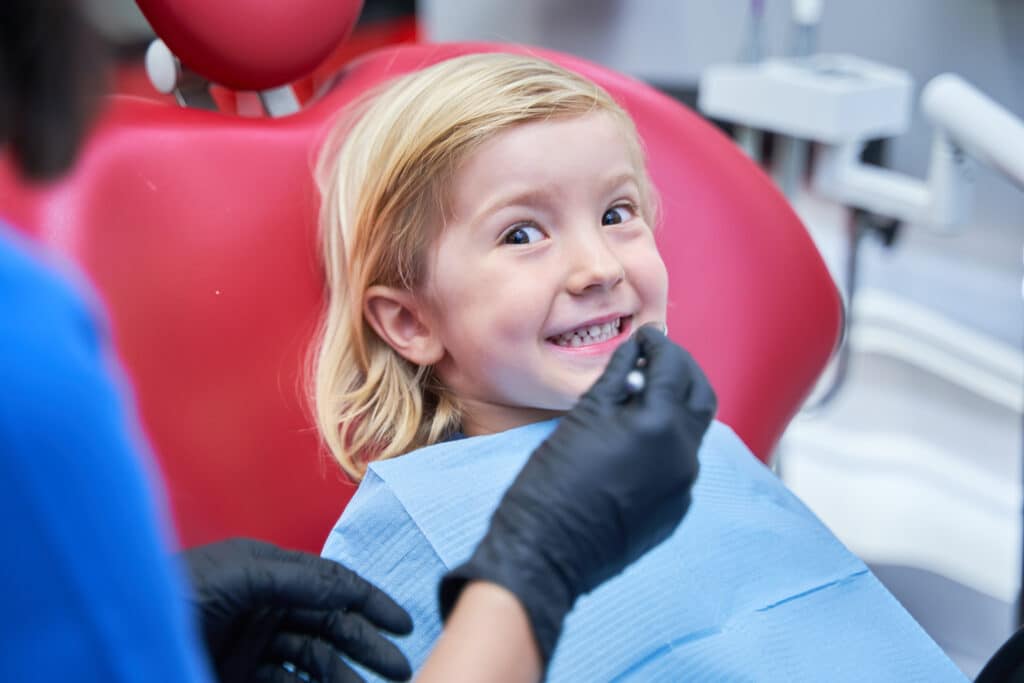
At Riverwalk Dental Arts, the pediatric dentistry describes care for children from infancy through adolescence, with a focus on gentle techniques, a calm atmosphere, and education for both children and parents. The goal is not only to treat teeth, but to help children feel safe and confident in the dental chair. That matters because early experiences often shape how children view dental care later in life.
For pediatric patients, care often centers on prevention and development. That may include oral exams, cleanings, fluoride treatment, sealants, cavity detection, eruption monitoring, and guidance for home care. In many children, the best treatment is the one that prevents a problem from becoming pain, missed school, or more involved care later. Riverwalk Dental Arts lists pediatric dentistry among its services, alongside fluoride treatment and dental sealants, which supports a prevention-first model.
Adult Dental Care: Protecting What Has Already Grown
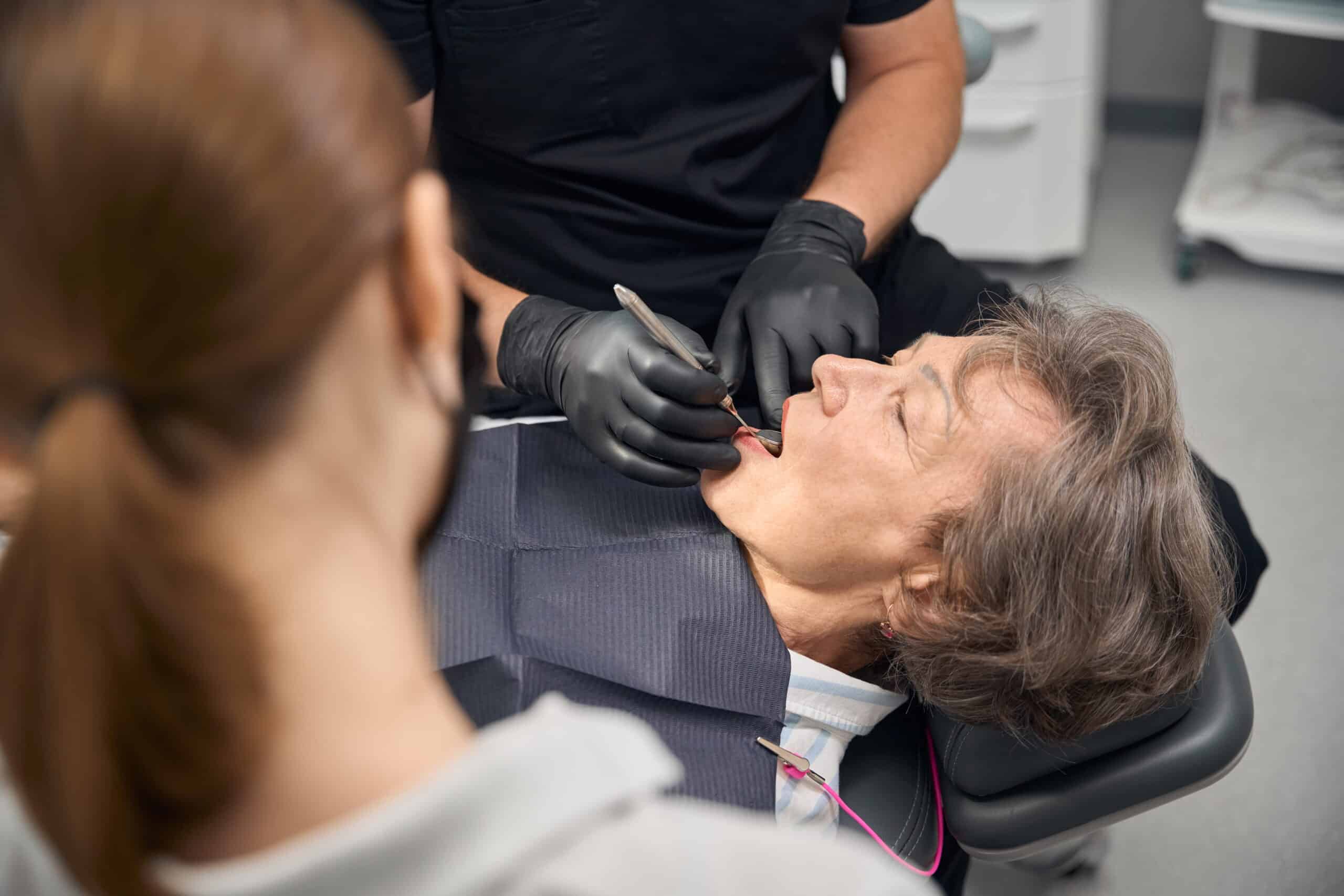
Adult dental care carries a different rhythm. The teeth are already in place, the bite is established, and the main goal becomes preservation. Adults are more likely to need care for gum inflammation, worn enamel, cracked teeth, old restorations, dry mouth, and the effects of clenching or grinding. The ADA notes that how often a patient should receive X-rays depends on oral health, age, risk, and symptoms, reinforcing the idea that adult care should be personalized rather than routine in the same way for everyone.
For many adults, preventive dentistry remains the foundation. Regular exams, cleanings, and home care help reduce the risk of decay and periodontal disease. The ADA’s home oral care guidance emphasizes that personalized recommendations matter, especially for patients at increased risk for caries or gingivitis. That is important because adult oral health is often shaped by more than plaque alone. Medications, stress, diet, tobacco use, pregnancy, chronic disease, and oral hygiene habits can all affect the mouth.
Adults also tend to need more conversation around treatment planning. A child may need reassurance and habit-building. An adult may need a clearer explanation of long-term choices, costs, timing, and maintenance. That is where a thoughtful practice can make a difference. Riverwalk Dental Arts describes Dr. Shah as someone who takes time to listen, explain treatment options, and help patients feel comfortable throughout care. Those are the qualities patients often value when they are comparing adult dental care options in Rock Hill.
The Shared Foundation: Prevention, Trust, and Timing
Even though pediatric and adult care differ, they are joined by the same root system: prevention. Children need early guidance so problems do not take hold. Adults need consistent care so small concerns do not grow into larger ones. In both cases, the best dental visit is often the one that helps the patient avoid pain later.
This is especially true for families who want one dental home that can support multiple stages of life. Riverwalk Dental Arts offers pediatric dentistry, general dentistry, restorative dentistry, emergency appointments, and a broad technology-driven approach in Rock Hill. That combination can be helpful for families who prefer continuity and familiarity over switching offices as needs change.
What Parents Should Know About Pediatric Dental Care
For parents, the goal is not perfection. The goal is steady, guided progress. A child’s mouth changes quickly, so regular dental visits give the team a chance to monitor development, reinforce brushing habits, and answer questions before small concerns become hard-to-fix patterns. The AAPD recommends that children establish dental care early, and Riverwalk Dental Arts reinforces that message on its pediatric dentistry page.
Parents can support pediatric oral health by making routines predictable: brushing twice daily, helping with flossing when needed, limiting frequent sugary snacks and drinks, and keeping dental visits positive. The quieter lesson here is that children learn trust through repetition. When the environment feels safe and the message feels calm, children are more likely to cooperate and carry those habits forward.
What Adults Should Know About Adult Dental Care
Adults often delay care until something hurts. The ADA has noted that many people mistakenly believe they should see a dentist only when they are in pain, even though routine visits help catch problems earlier. That is one of the reasons adult dental care deserves attention even when the mouth seems fine.
For adults, preventive care may also reveal issues that are easy to ignore: early gum disease, failing fillings, enamel wear, cracks, bite changes, or signs of clenching. In some cases, a simple exam can prevent a more complex procedure later. Riverwalk Dental Arts also highlights its digital imaging, digital radiography, CBCT, and intraoral camera technology, which can support clearer diagnosis and treatment planning for both children and adults.
Adults using PPO insurance often appreciate clarity about timing, benefits, and treatment options. A practice that explains findings clearly and gives patients room to ask questions can make a major difference in whether care feels manageable or overwhelming.

Pediatric vs. Adult Dental Care: A Simple Comparison
Pediatric care usually emphasizes:
- early visits,
- prevention,
- habit building,
- growth and development,
- and helping children feel safe.
Adult care usually emphasizes:
- preservation,
- gum health,
- repairing wear or damage,
- managing risk factors,
- and long-term maintenance.
The heart of both is the same: timely care, honest guidance, and a treatment plan that fits the patient rather than forcing the patient into a one-size-fits-all model.
Why Local Families in Rock Hill Choose a Practice Like Riverwalk Dental Arts
Rock Hill patients often want more than a list of procedures. They want a practice that feels steady, familiar, and equipped for both prevention and more advanced care. Riverwalk Dental Arts presents itself as a neighborhood dental home with modern technology, a patient-friendly atmosphere, and services that include pediatric dentistry, general dentistry, restorative dentistry, emergency dentistry, and dental technology such as digital impressions and CBCT.
That mix is useful for families because oral health is a long journey. Children become teens. Teens become adults. Adults become parents. Needs shift, but the value of trust does not. A dental office that understands those stages can help patients stay grounded through each one.
FAQ
What is the main difference between pediatric and adult dental care?
Pediatric dental care focuses on growth, prevention, and helping children feel comfortable at the dentist. Adult dental care focuses more on preserving teeth, protecting the gums, and managing long-term risk factors.
When should my child first see a dentist?
The American Academy of Pediatric Dentistry recommends the first visit by the child’s first birthday, or within six months after the first tooth appears.
How is adult dental care different from children’s dental care?
Adults usually need more attention to gum health, wear, cracked teeth, restorations, and personalized prevention based on their risk level. Children usually need more help with growth, development, and habit formation.
Does Riverwalk Dental Arts treat both children and adults?
Yes. The practice lists pediatric dentistry and general dentistry among its services, along with restorative dentistry and emergency appointments.