

By Riverwalk Dental Arts | March 20, 2026
Oral health is about much more than just a beautiful smile; it’s also linked to your general health. Most people are unaware that gum disease has serious side effects beyond cavities and tooth loss. It’s also been linked to heart disease and diabetes. Here at Riverwalk Dental Arts, we will discuss how gum disease is related to heart disease and diabetes.
This blog will focus on the connection between gum disease and the rest of the body. Our particular focus will be on heart disease and diabetes. If you’re a patient at our office in Rock Hill, SC, this is especially important to you. Whether you’re an regular patient or considering our office for the first time, you can learn more about the benefits of good gum health.
Understanding Gum Disease and Its Impact on Overall Health
Gum disease (also known as periodontal disease) is a bacterial infection that affects the tissues supporting your teeth. Early-stage gum disease is often not noticeable but can lead to serious problems if left untreated, including tooth loss! Gum disease isn’t just limited to your mouth; it impacts the rest of the body, too.
Research has shown that untreated gum disease is linked to increased risk of heart disease and diabetes. The inflammation that results from bacteria in the gum tissues can actually enter your bloodstream. Increased inflammation in your body is linked to problems within the arteries. This inflammation may also impair your body’s ability to manage blood sugar, complicating diabetes treatment.
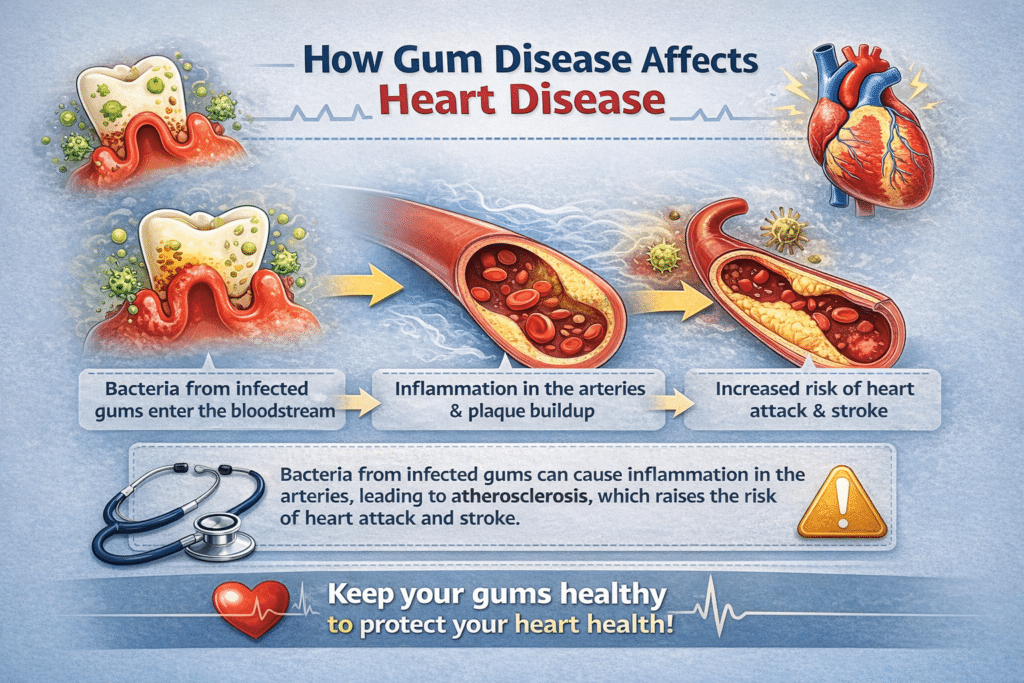
How Gum Disease Affects Heart Disease
The link between gum disease and heart disease is still being researched. However, a strong connection has been shown. When bacteria from infected gums enter your bloodstream, they travel through your arteries, causing inflammation. Inflammation in the arteries may then lead to plaque buildup known as atherosclerosis, which then leads to an increased risk of stroke or heart attack.
Patients in Rock Hill must understand this link, especially those at risk for heart disease. Brushing and flossing regularly and seeing your dentist in Rock Hill regularly can help reduce your risk of heart-related problems.
Gum Disease and Its Connection to Diabetes
Diabetes, most commonly type 2 diabetes, is also very closely related to gum disease. Patients whose blood sugar levels are not controlled well enough are far more susceptible to developing gum disease. Bacteria in the body flourish in high blood sugar, which speeds up the growth of infections.
Conversely, gum disease will actually have a negative impact on your body’s ability to control blood sugar, impacting your diabetes treatment. Inflammation can affect how the body responds to insulin. This means that even if your diabetes treatment is working, gum disease can still complicate things.
Why Regular Dental Visits Are Key to Preventing Complications
Regular dental visits to your dentist in Rock Hill can help reduce both the risk of gum disease and its complications. With regular checkups, your dentist can detect an infection before it becomes severe and begin treatment to resolve it.
At Riverwalk Dental Arts, preventative care is the primary focus. Regular dental cleanings and thorough oral exams are the simplest ways to promote overall health and reduce the risk of complications from poor gum health. This especially applies if you suffer from heart disease or have diabetes.
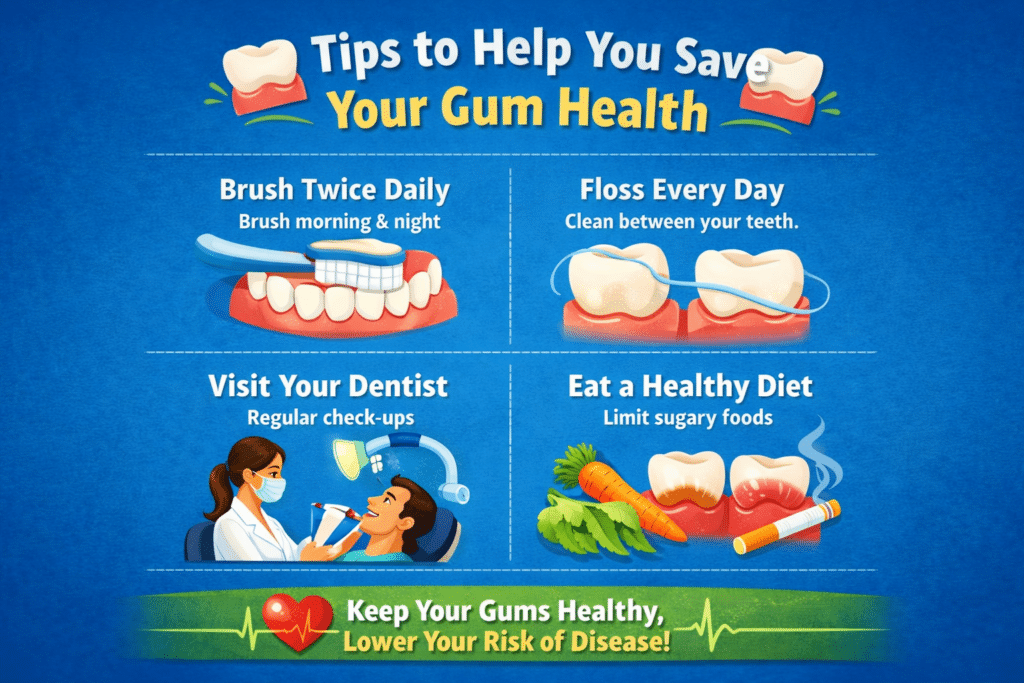
Tips to Help You Save Your Gum Health
Keeping your gums in good shape is fairly straightforward. Follow this guide for ways to save your gums and prevent gum disease from appearing in the first place.
- Brush At Least Twice Daily: This helps prevent plaque from building up on the teeth, the sticky film of bacteria that loves to stick to your teeth.
- Floss Daily: Flossing helps remove plaque that’s built up between teeth, where a toothbrush can’t reach.
- Visit The Dentist Regularly: Regular visits to the dentist are important for detecting signs of gum disease early.
- Maintain A Healthy Diet: The foods you eat affect your gums and teeth’s ability to stay healthy, too. Try to limit sugary foods, as they can increase plaque on the teeth.
- Don’t Smoke: Smoking is a major cause of gum disease, and it prevents the gums from getting enough blood flow.
By following these basic steps, you can easily keep your gums healthy, reducing the likelihood of complications such as heart disease and diabetes.
The Takeaway: Take Care of Your Gums, Take Care of Your Health
Keeping gums healthy is essential not only for a good-looking smile but also for your overall health, especially for diabetes and heart health. Following good oral hygiene practices and a healthy lifestyle can help reduce your risk of gum disease and its complications.
If you’re in Rock Hill, SC, be sure to get routine dental checkups at Riverwalk Dental Arts to maintain your oral health. Dr. Nemish Shah and his dental team can help you keep your gums healthy, thereby supporting your overall health.
Take An Extra Step For Your Health Now!
If you’re worried about your gums and how they may be affecting your heart or diabetes, now is the time to schedule an appointment so we can assess their health. Our team at Riverwalk Dental Arts would be happy to assist you in keeping up the health of your oral cavity.
Common Questions People Have:
Can gum disease cause heart problems?
Yes, gum disease can contribute to heart disease by causing inflammation that affects the arteries. This inflammation can lead to plaque buildup, which increases the risk of heart attack and stroke.
How does gum disease affect diabetes?
Gum disease can worsen diabetes by making it harder to control blood sugar levels. The inflammation caused by gum disease can interfere with insulin usage, making diabetes management more challenging.
What are the early signs of gum disease?
Common early signs of gum disease include swollen, red gums, bleeding when brushing or flossing, and bad breath. If you notice any of these symptoms, it’s important to visit your dentist.
How often should I visit the dentist for gum health?
It’s recommended to visit your dentist at least twice a year for a routine checkup and cleaning. More frequent visits may be necessary if you have existing gum issues or risk factors.